
Beyond the Shared Wall: A Guide to Environmental Safety in Semi-Detached Home Renovations
Renovating a semi-detached home in Toronto is an exciting venture. It’s a chance to modernize your space, improve functionality, and create the home you’ve always envisioned. But the unique character of these properties—the shared walls, the classic Toronto architecture, and often, their age—brings a specific set of challenges that go beyond blueprints and design choices. Before you start taking down walls or planning that new open-concept kitchen, it’s crucial to consider the unseen environmental hazards that could be lurking within your home. Disturbing materials like asbestos, lead paint, and hidden mold during your renos can pose significant health risks to your family and lead to costly project delays. This guide will walk you through the essential environmental safety checks that ensure your renovation is not only beautiful but also fundamentally safe and healthy for everyone involved.
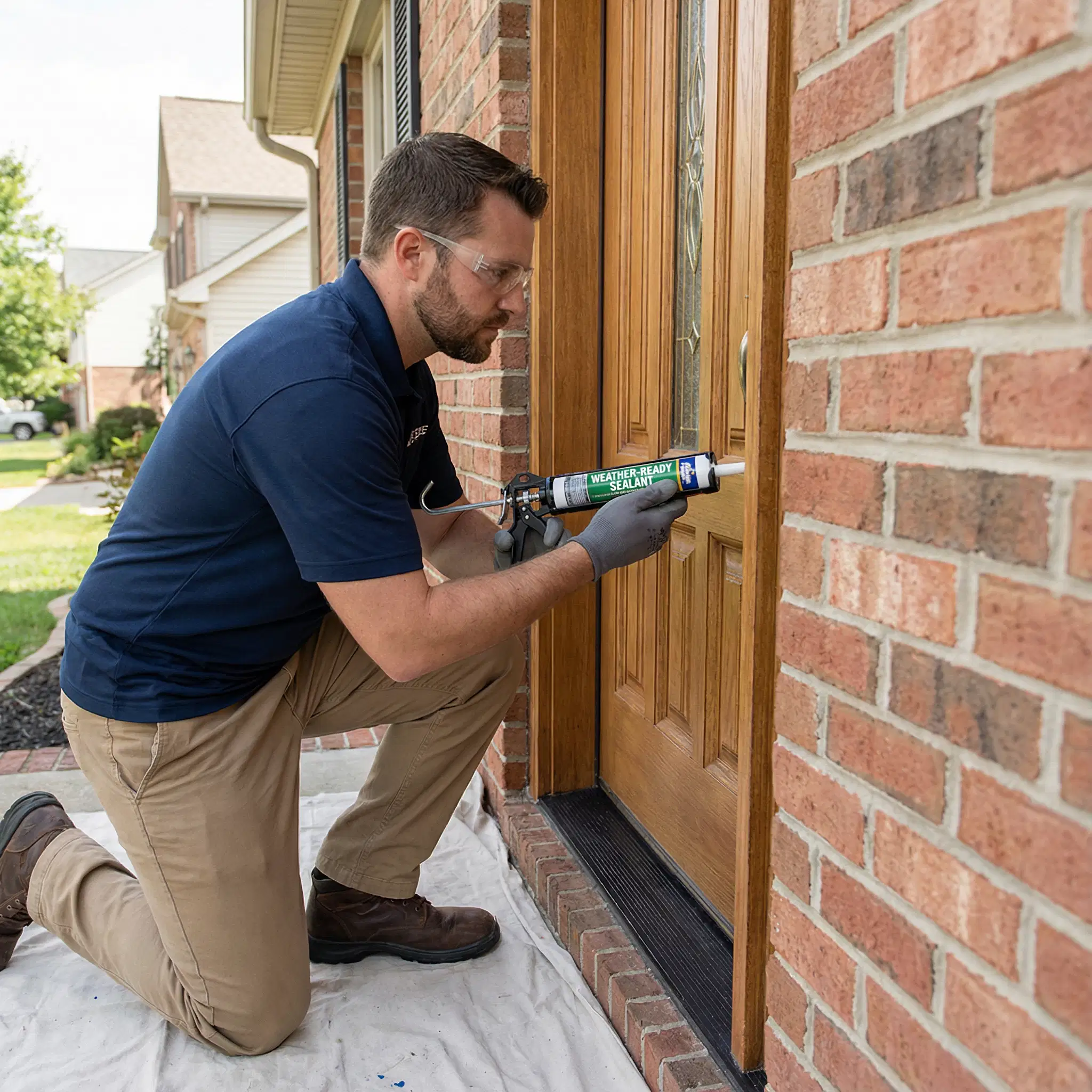
The Hidden History: Identifying Asbestos and Lead in Older Homes
Many of Toronto's charming semi-detached homes were built decades ago, when certain building materials now known to be hazardous were commonplace. Two of the most significant concerns are asbestos and lead. Ignoring them isn't just a risk to your health; it can create serious compliance issues and bring your project to a halt.
Asbestos: This fibrous mineral was prized for its fire-retardant and insulating properties. It can be found in a surprising number of places, including:
- Drywall joint compound
- Popcorn ceilings
- Vinyl floor tiles and their adhesive
- Duct wrap and pipe insulation
- Vermiculite attic insulation
When these materials are left undisturbed, the risk is low. However, the cutting, sanding, and demolition involved in a renovation can release microscopic asbestos fibres into the air. Inhaling these fibres can lead to severe long-term health issues. Before any demolition work, a professional asbestos bulk testing service is essential to identify any asbestos-containing materials so they can be handled and removed safely.
Lead Paint: If your home was built before the late 1970s, there's a high probability that it contains lead-based paint. Like asbestos, it's harmless when intact. But sanding, scraping, or heating it during a renovation can create toxic lead dust. This dust is particularly dangerous for children and pregnant women, as it can cause serious developmental problems. Professional lead paint and dust testing can determine the presence and concentration of lead, allowing your contractor to implement safe work practices to contain the dust and protect your family.
The Shared Wall Dilemma: Preventing and Detecting Mold
The defining feature of a semi-detached home is the party wall you share with your neighbour. While it connects you to your community, it can also be a source of hidden moisture and mold problems. A small leak on your neighbour's side, poor exterior grading, or condensation within the wall cavity can create the perfect environment for mold to grow undetected. During a renovation, you might uncover an existing mold issue that has been festering for years. Furthermore, the construction process itself can sometimes introduce moisture into areas where it doesn't belong.
Uncovering a mold problem mid-project is a homeowner's nightmare, often leading to unexpected costs and significant delays while the issue is remediated. A proactive mold inspection before you begin your project is a wise investment. An expert can assess high-risk areas, check for signs of moisture intrusion, and conduct air or surface testing if necessary. This ensures you're starting your renovation with a clean bill of health and prevents a small issue from becoming a major roadblock.
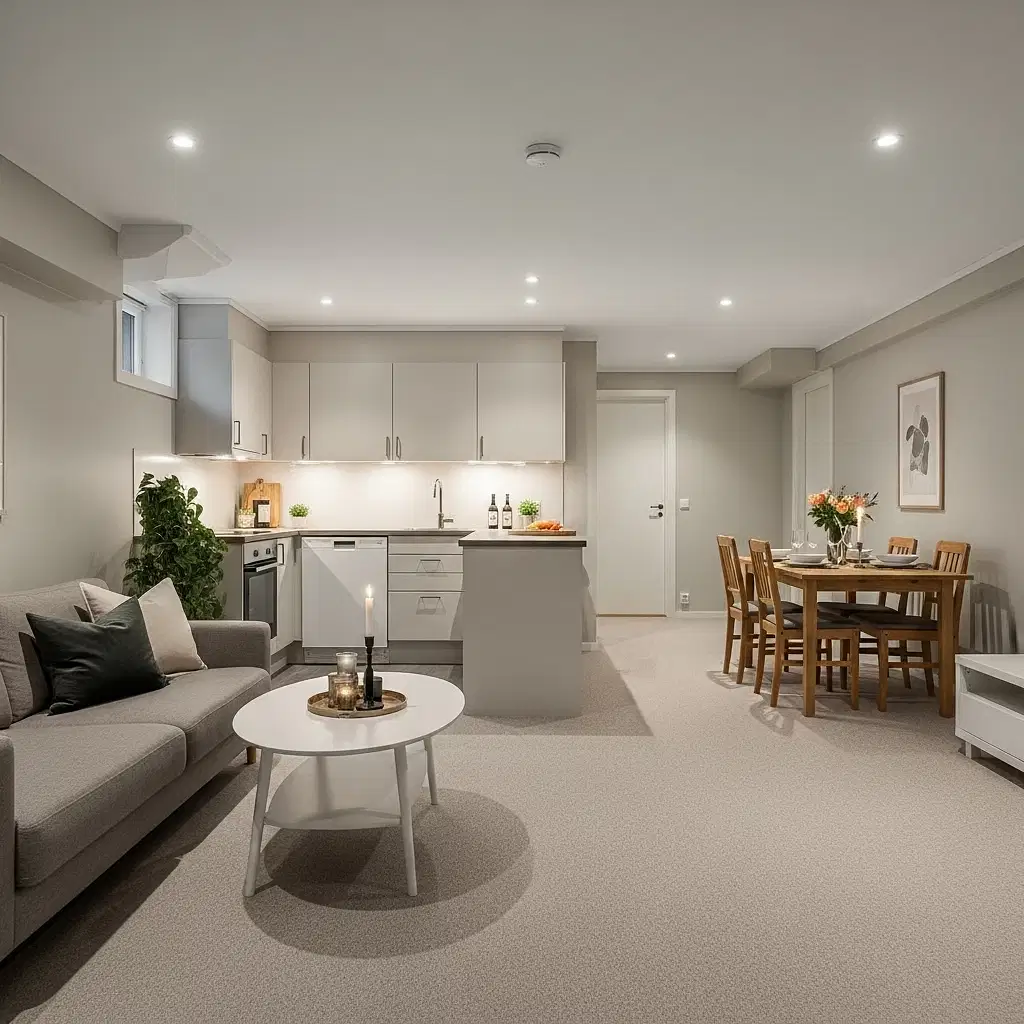
The Final Check: Ensuring a Truly Clean and Safe Space
Once the construction is complete, the dust has settled, and the tools are packed away, there's one final step that is often overlooked but is critical for your peace of mind. Even the most diligent cleanup can leave behind microscopic dust particles from the materials that were disturbed. If your renovation involved the removal of lead paint or other hazardous materials, you need to be certain that the air and surfaces in your home are safe before your family moves back in.
This is where clearance testing comes in. Clearance dust testing involves taking samples from various surfaces throughout the renovated area to test for residual contaminants like lead dust. Passing a clearance test provides scientific verification that the cleanup was successful and that the environment is safe. It’s the ultimate quality control check, confirming that your contractor has not only delivered a beautiful final product but has also left you with a healthy home. This step is non-negotiable for ensuring your family’s well-being and the long-term success of your renovation.
Build a Healthier Home with Confidence
Your semi-detached home renovation is a major investment in your family's future and happiness. By taking a proactive approach to environmental safety, you protect that investment and, more importantly, the health of your loved ones. Identifying potential hazards like asbestos, lead, and mold before work begins prevents dangerous exposures, avoids costly surprises, and ensures a smoother, more predictable project timeline.
If you're planning a renovation in the Toronto area, don't leave your family's health to chance. Contact The Healthy Abode today to discuss our comprehensive environmental testing services, including Asbestos Bulk Testing, Lead Paint and Dust Testing, Mold Inspections, and post-renovation Clearance Dust Testing. Let us help you build with confidence. Get in touch with our experts to schedule a consultation.