
Beyond the Chair: A Guide to Environmental Safety in Dental Office Renovations
Renovating your dental practice is an exciting step towards enhancing patient experience, improving workflow, and modernizing your services. While you're focused on selecting the perfect layout, state-of-the-art equipment, and calming decor, there's a critical layer of planning that often goes unnoticed: environmental safety. A successful renovation in Toronto goes beyond aesthetics; it must ensure the health and well-being of your patients and staff long after the dust settles. Neglecting this can lead to project delays, regulatory issues, and potential health risks.
At The Healthy Abode, we specialize in the environmental assessments that are crucial for commercial projects, especially sensitive environments like dental and medical clinics. This guide will walk you through the key hazards to be aware of and the essential tests required to ensure your renovation is not only beautiful and functional but also fundamentally safe and compliant.
Why Environmental Due Diligence is Non-Negotiable for Dental Clinics
A dental office is a unique healthcare environment. The procedures performed can generate aerosols, and the materials used, both historically and today, require careful management. When you undertake a renovation, you're not just building walls; you're creating a space where patient and staff health is paramount.
Ignoring potential environmental hazards isn't just a risk—it's a liability. Issues like poor indoor air quality or exposure to hazardous materials can lead to health problems for your team and patients, resulting in reputational damage and potential conflicts with Ontario's health and safety regulations. A proactive approach demonstrates a commitment to quality and care that builds trust and sets your practice apart. It ensures your project proceeds smoothly, avoiding the costly delays and stop-work orders that can arise from unexpected discoveries of hazardous materials. A truly successful reno is one that protects the long-term health of everyone who walks through your doors.
The First Step: Identifying Hidden Hazards with a Designated Substance Survey
Before a single wall comes down, the most critical step is to understand what's inside them. Many commercial buildings, especially older ones, contain hazardous materials that were once common in construction. A Designated Substance Survey (DSS) is a comprehensive assessment required by Ontario law before construction or demolition activities. This survey identifies the presence and location of specific hazardous materials, including:
- Asbestos: Often found in ceiling tiles, flooring, insulation, and drywall joint compound.
- Lead: Common in paint on walls, doors, and window frames in buildings constructed before the 1980s.
- Mercury: Can be present in old thermostats, fluorescent light tubes, and, critically for dental clinics, legacy plumbing or flooring contaminated by historical amalgam waste.
- Silica: Found in concrete, brick, and masonry materials.
Conducting a DSS is not just about compliance; it's about safety and project management. Knowing what's there allows for proper planning, safe removal, and accurate budgeting, preventing unforeseen costs and protecting your construction team, staff, and future patients from exposure.
Ensuring Healthy Air: VOCs and Indoor Air Quality
Once the renovation is complete, the space may look clean, but the air can contain invisible contaminants. New construction materials—such as paints, adhesives, flooring, and cabinetry—can release Volatile Organic Compounds (VOCs) into the air, a process known as off-gassing. High levels of VOCs can cause everything from headaches and dizziness to more serious long-term health issues. This is particularly concerning in a healthcare setting where patients may have compromised immune systems.
Post-renovation VOC testing is essential to verify that the indoor air quality is safe for occupancy. This scientific analysis measures the concentration of airborne chemicals and ensures the space is healthy for your team to work in and your patients to visit. A comprehensive commercial indoor environmental assessment can provide a complete picture of the air quality, giving you peace of mind that your new space is truly a healthy one.
The Special Case of Lead in Older Practices
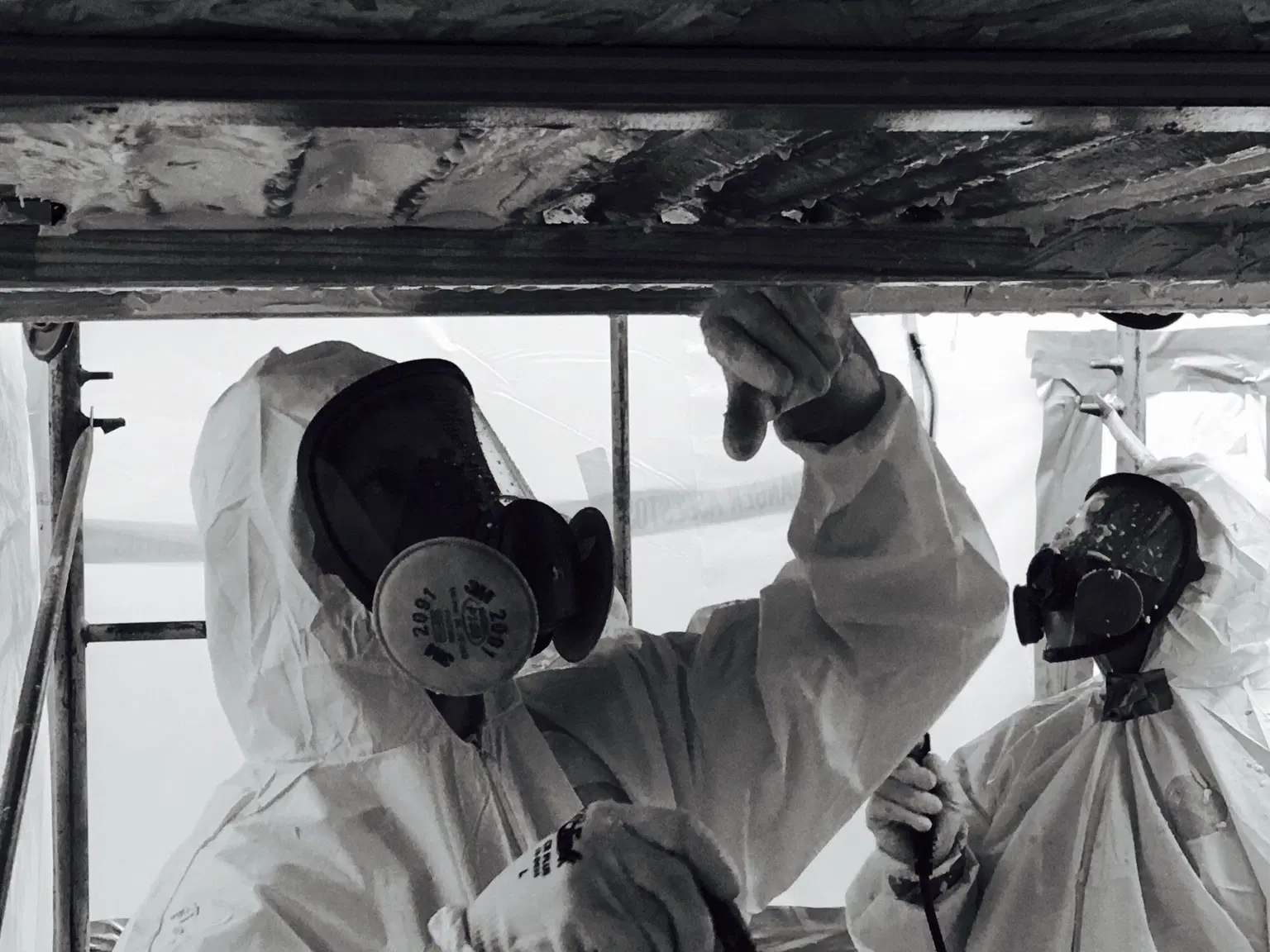
While lead is a concern in many older buildings, it deserves special attention during dental office renos. If your practice is located in one of Toronto's many heritage or older commercial buildings, there is a high probability that lead-based paint is present. Disturbing these surfaces during demolition or sanding can release microscopic lead dust particles into the air, which can be inhaled or settle on surfaces, posing a significant health risk.
Specialized lead paint and dust testing is crucial to identify these risks. If lead is found, a specific plan must be developed for its safe management or removal by qualified professionals. This ensures that your renovation doesn't inadvertently create a toxic environment, protecting everyone from the dangers of lead exposure.
Build a Healthier Practice with The Healthy Abode
A dental office renovation is a major investment in the future of your practice. Ensuring it's built on a foundation of environmental safety protects that investment, your staff, and your patients. From the initial Designated Substance Survey to final indoor air quality clearance, addressing these critical steps is the hallmark of a professional and responsible project.
If you're planning a dental clinic renovation in the Toronto area, don't leave health and safety to chance. The Healthy Abode provides the expert environmental testing and assessments needed to navigate complex regulations and ensure your project is a success. Contact us today to learn how we can help you create a beautiful, functional, and truly healthy space for your practice to thrive.