
Beyond the Blueprint: Ensuring a Safe and Healthy Environment in Your Vet Clinic Renovation
Planning a renovation or a new fit-out for your veterinary clinic is an exciting venture. You’ve likely spent countless hours designing the perfect layout for exam rooms, surgical suites, and welcoming reception areas—all to provide the best possible care for your animal patients. But what about the health of the building itself? The invisible elements within the walls, floors, and air can have a profound impact on the well-being of your patients, your staff, and your clients.
For any commercial renovation in Toronto, especially in a sensitive environment like a veterinary clinic, ensuring environmental safety from the outset is not just good practice; it's essential. Neglecting this crucial step can lead to project delays, unforeseen costs, and long-term health risks. This guide will walk you through the key environmental considerations to ensure your new space is as healthy as the pets you care for.
The Unique Environmental Needs of a Veterinary Space
Veterinary clinics are unlike typical commercial offices or retail stores. They are healthcare facilities with a unique set of environmental challenges. The occupants—both animal and human—are often more vulnerable to airborne contaminants. Excellent indoor air quality is paramount.
Consider the specific demands of your clinic:
- Sensitive Patients: Animals, particularly those who are ill or recovering from surgery, have sensitive respiratory systems that can be easily irritated by poor air quality, chemical fumes, or mold spores.
- Daily Operations: The daily use of specialized cleaning agents, disinfectants, and anesthetic gases requires robust ventilation and air filtration systems to prevent the buildup of harmful fumes.
- Allergens: Pet dander and other allergens are a constant presence. A well-designed HVAC system and non-porous, easy-to-clean surfaces are critical for managing them effectively.
A healthy environment directly contributes to better patient outcomes, improved staff morale and productivity, and the confidence of pet owners who trust you with their beloved companions.
Uncovering Hidden Dangers Before Demolition
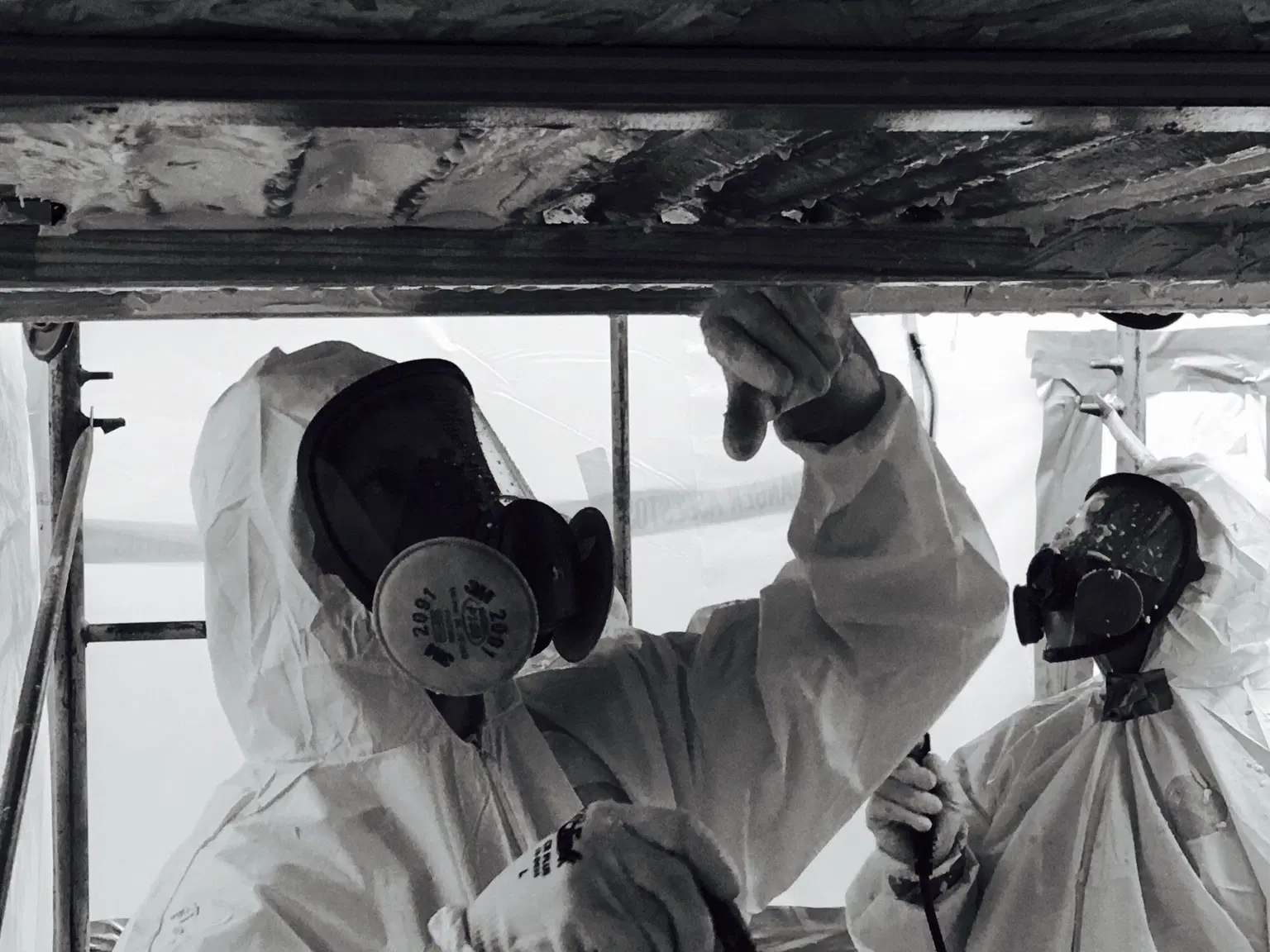
Many commercial buildings in our area, especially older ones, can harbor hazardous materials that are perfectly safe when undisturbed but become dangerous during a renovation. Addressing these potential issues proactively is a legal requirement and a critical step in protecting your team and future occupants.
Designated Substance Survey (DSS): Before any significant demolition or renovation work begins, Ontario's regulations mandate a Designated Substance Survey. This comprehensive inspection identifies the presence and location of hazardous materials like asbestos, lead, mercury, and silica within the building materials. Discovering these substances unexpectedly can halt your project, lead to costly remediation, and pose serious health risks. A DSS provides a clear roadmap for safely managing or removing these materials, keeping your project on schedule and compliant with safety laws.
Mold Inspections: Water damage, whether from a past flood, a slow leak, or high humidity, can create the perfect breeding ground for mold. Even if it’s not visible, mold can hide behind walls, under flooring, or in ceiling tiles. A professional mold inspection is crucial, as mold spores can cause significant respiratory issues and allergic reactions. Identifying and properly remediating any mold growth before you build ensures you are starting with a clean, healthy foundation.
Building Healthy: Material Selection and Post-Construction Air Quality
Your commitment to a healthy environment doesn't end once the old materials are gone. The new products you bring into your clinic play a vital role in long-term indoor air quality.
That “new building smell” is often a sign of Volatile Organic Compounds (VOCs) being released into the air. VOCs are chemicals found in a wide range of construction materials, including paints, adhesives, flooring, cabinetry, and sealants. High levels of VOCs can cause headaches, dizziness, and irritation of the eyes, nose, and throat—symptoms you can't afford for your staff or patients.
This is why proactive VOC testing is so important. By understanding the potential sources of off-gassing, you can:
- Select Low-VOC or Zero-VOC Materials: Work with your contractor to choose healthier products that meet stringent air quality standards.
- Ensure Proper Ventilation: Implement a ventilation plan during and after construction to flush out any residual VOCs before you open your doors.
- Verify a Safe Environment: Post-construction air quality testing confirms that the space is safe for occupancy, giving you and your team complete peace of mind.
A Comprehensive Approach for Total Peace of Mind
Navigating the complexities of environmental safety can feel overwhelming, but it doesn’t have to be. A holistic approach ensures that all bases are covered, from initial assessment to final clearance. A Commercial Indoor Environmental Assessment combines multiple testing protocols into one streamlined process, giving you a complete overview of your property's health.
By partnering with experts in environmental testing, you are making a critical investment in the long-term success of your clinic. This proactive approach prevents costly surprises, ensures you meet all regulatory requirements, and demonstrates a deep commitment to the health and safety of every person and pet who walks through your doors.
Planning a veterinary clinic renovation or fit-out in the Toronto area? Don't leave the health of your space to chance. Contact The Healthy Abode today to schedule a comprehensive environmental assessment. Let's work together to build a clinic that is safe, compliant, and truly healthy from the ground up.