
Water and Air Safety for Commercial Landlords: Protecting Your Tenants and Your Investment
As a commercial property owner or manager, your buildings are more than just physical assets; they are the environments where local businesses operate, employees spend their working hours, and customers come to shop, dine, or receive care. Whether you manage a bustling retail storefront, a multi-tenant office building, a fitness center, or a specialized medical clinic, ensuring the fundamental health and safety of these spaces is absolutely critical. In Toronto, where the commercial real estate market is highly competitive, offering a demonstrably safe and healthy environment is a powerful way to attract and retain premium tenants while protecting your portfolio from unforeseen liabilities.
Modern tenants are increasingly educated about environmental health. They want assurances that the air they breathe and the water they drink meet the highest safety standards. For landlords, staying ahead of these expectations isn't just about good public relations; it is about regulatory compliance, minimizing operational disruptions, and avoiding the financial pitfalls of deferred maintenance. Let's explore why prioritizing water and air safety is essential for your commercial properties and how proactive testing can safeguard your investments.
The Invisible Threat: Managing Indoor Air Quality
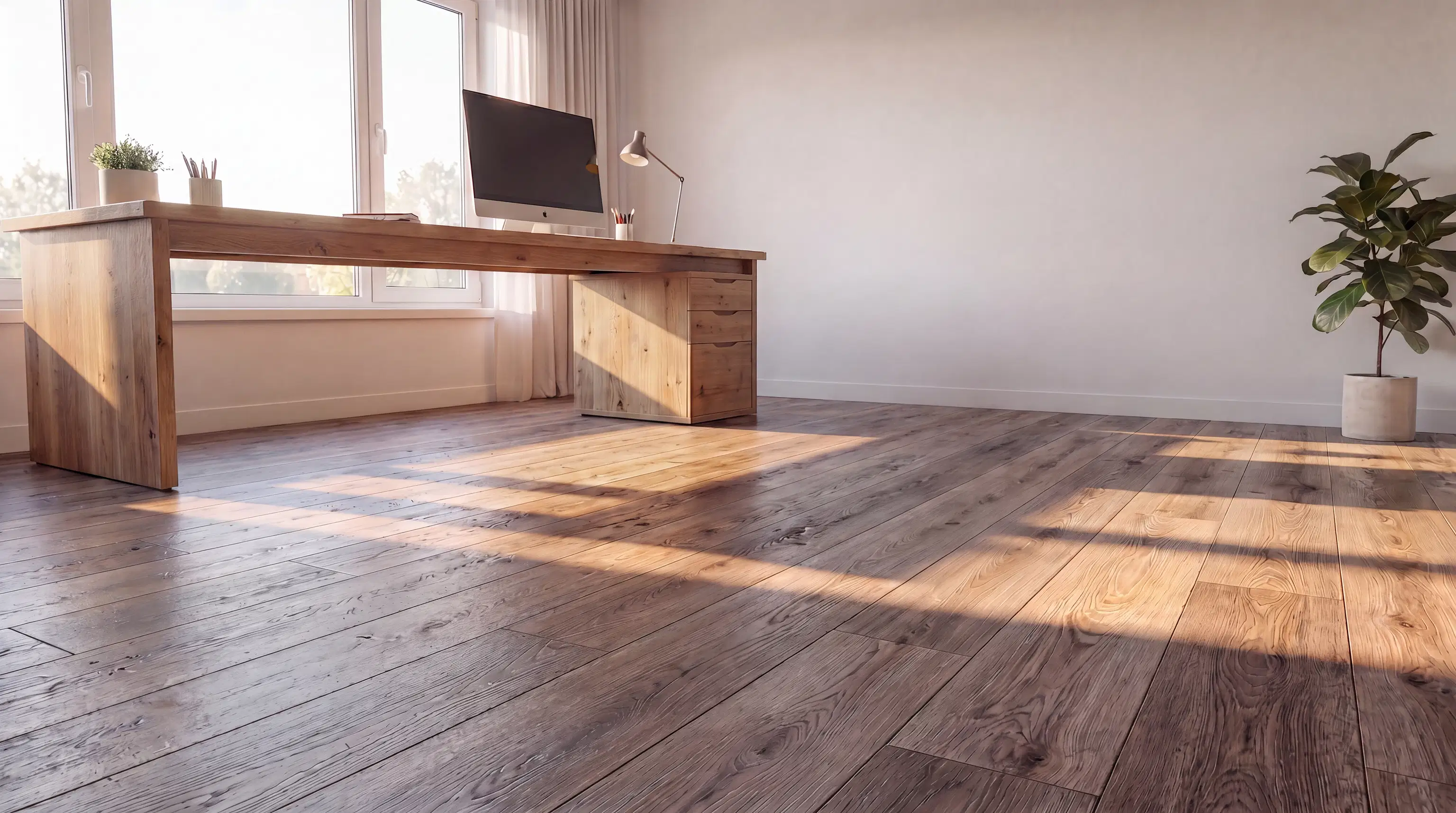
When we think about building maintenance, we often focus on the visible elements: the roof, the facade, the flooring, and the landscaping. However, one of the most significant factors impacting tenant satisfaction and health is entirely invisible. Poor indoor air quality can lead to a host of issues, ranging from tenant complaints about odors and stuffiness to more severe health concerns like headaches, fatigue, and respiratory irritation among employees. In a commercial setting, this translates directly to decreased productivity and increased absenteeism for your tenants' businesses.
Commercial spaces often have complex HVAC systems that, if not properly maintained, can circulate dust, allergens, and even mold spores throughout the building. Furthermore, spaces that have recently undergone renovations or have brought in new furniture and carpeting might be off-gassing volatile organic compounds. To ensure your building's atmosphere is safe and conducive to a healthy work environment, scheduling General Indoor Air Quality Reports is a wise operational strategy. These comprehensive audits provide you with a clear, scientific baseline of your building's air health, allowing you to address minor ventilation issues before they escalate into major tenant disputes or lease terminations.
Aging Infrastructure and Potable Water Safety
Just as air quality requires vigilant monitoring, the safety of a building's water supply is a non-negotiable priority. Many commercial properties across The GTA, particularly older institutional buildings, warehouse conversions, and historic storefronts, still rely on aging plumbing infrastructure. Over time, pipes can degrade, potentially leaching harmful contaminants into the water supply used by your tenants for drinking, food preparation, and sanitation.
Another common issue in commercial real estate is water stagnation. If an office suite or retail unit sits vacant for an extended period between leases, the water sitting in the pipes can become a breeding ground for bacteria. Before a new tenant moves in—whether it is a dental office requiring pristine water for patient care or a restaurant needing safe water for cooking—it is crucial to verify the integrity of the supply. Utilizing professional Water Testing services ensures that the potable water in your multi-tenant offices and commercial spaces meets all health standards, providing peace of mind to you and your incoming leaseholders.
Navigating Tenant Turnovers and Commercial Renovations
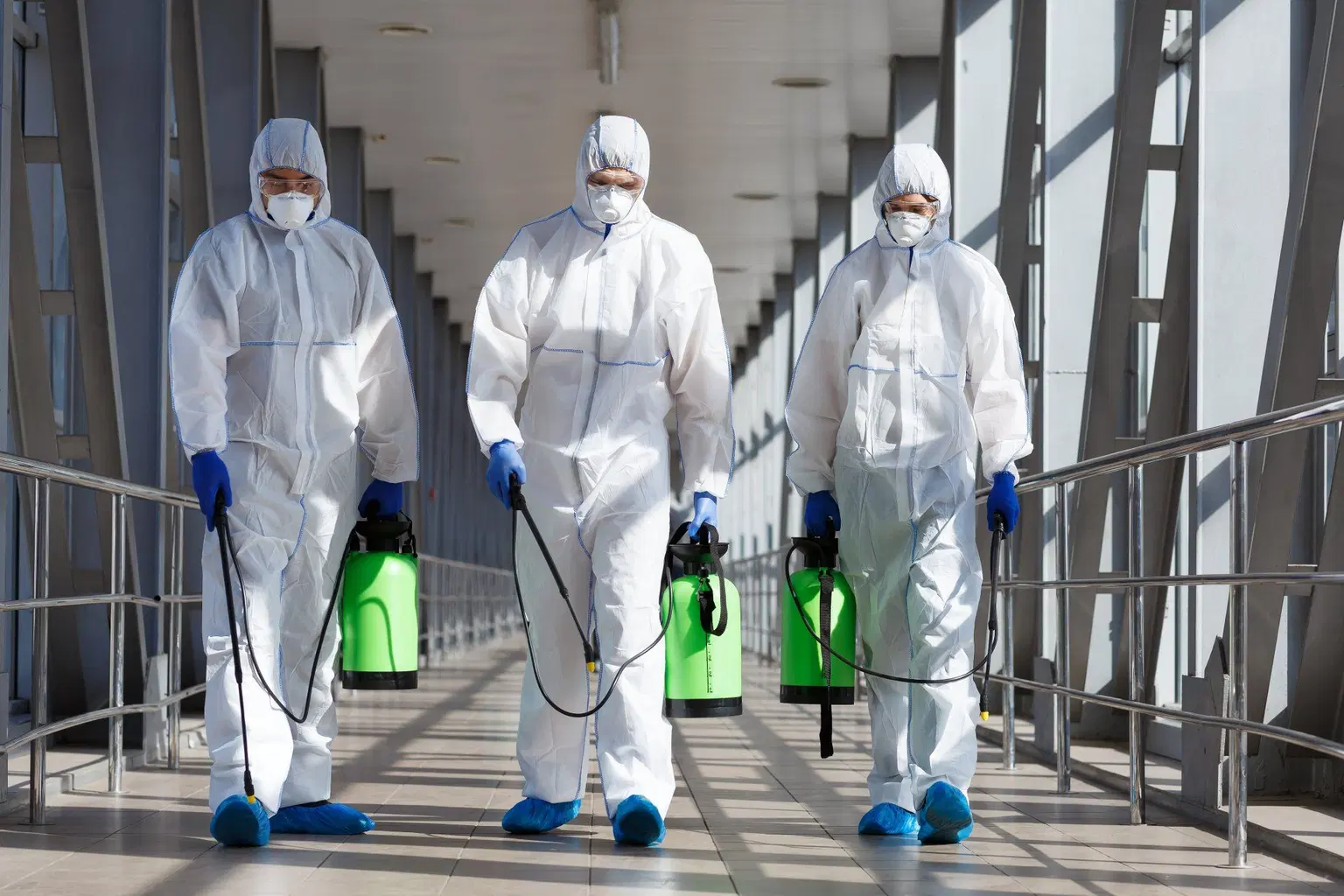
Commercial spaces are dynamic. A unit that was once a quiet accounting firm might be leased to a high-intensity gym, a veterinary clinic, or a boutique retail shop. These transitions almost always require significant renovations and retrofits to accommodate the new tenant's specific needs. However, knocking down walls, removing old flooring, or upgrading HVAC systems in older buildings can disturb hazardous materials that were commonly used in past construction.
Before any commercial renovation begins, landlords must ensure regulatory compliance to protect the construction crew, existing tenants in neighboring units, and themselves from liability. Ontario's strict regulations require property owners to identify hazardous materials before work commences. Conducting a Designated Substance Survey is a mandatory step that identifies the presence of asbestos, lead, silica, and other regulated materials. By identifying these risks early, you can incorporate proper remediation into your project timeline, avoiding the severe financial pain of mid-project scope creep, unexpected delays, and potential stop-work orders from safety inspectors. If your property upgrades require navigating the Committee of Adjustment for zoning variances, having all your environmental and safety documentation in perfect order will only help streamline the municipal approval process.
Proactive Management with Comprehensive Assessments
The most successful commercial landlords operate proactively rather than reactively. Waiting for a tenant to complain about a strange odor, or for a contractor to accidentally uncover asbestos during a routine repair, puts you in a vulnerable position. It leads to rushed decisions, premium emergency service costs, and strained landlord-tenant relationships.
By integrating Commercial Indoor Environmental Assessments into your regular property management routine, you take control of your building's health. These thorough evaluations look at the holistic environmental profile of your property, identifying potential risks in both air and water systems before they become active problems. This level of diligence not only protects your current occupants but also serves as a strong selling point when marketing vacant units to prospective, high-value tenants who prioritize corporate wellness and environmental safety.
Partnering for a Healthier Commercial Portfolio
Maintaining a commercial property is a complex balancing act of financial management, tenant relations, and facility upkeep. By prioritizing water and air safety, you are making a direct investment in the longevity of your building and the satisfaction of the businesses that call it home. Transparent, documented environmental safety is a cornerstone of trust between a landlord and a tenant.
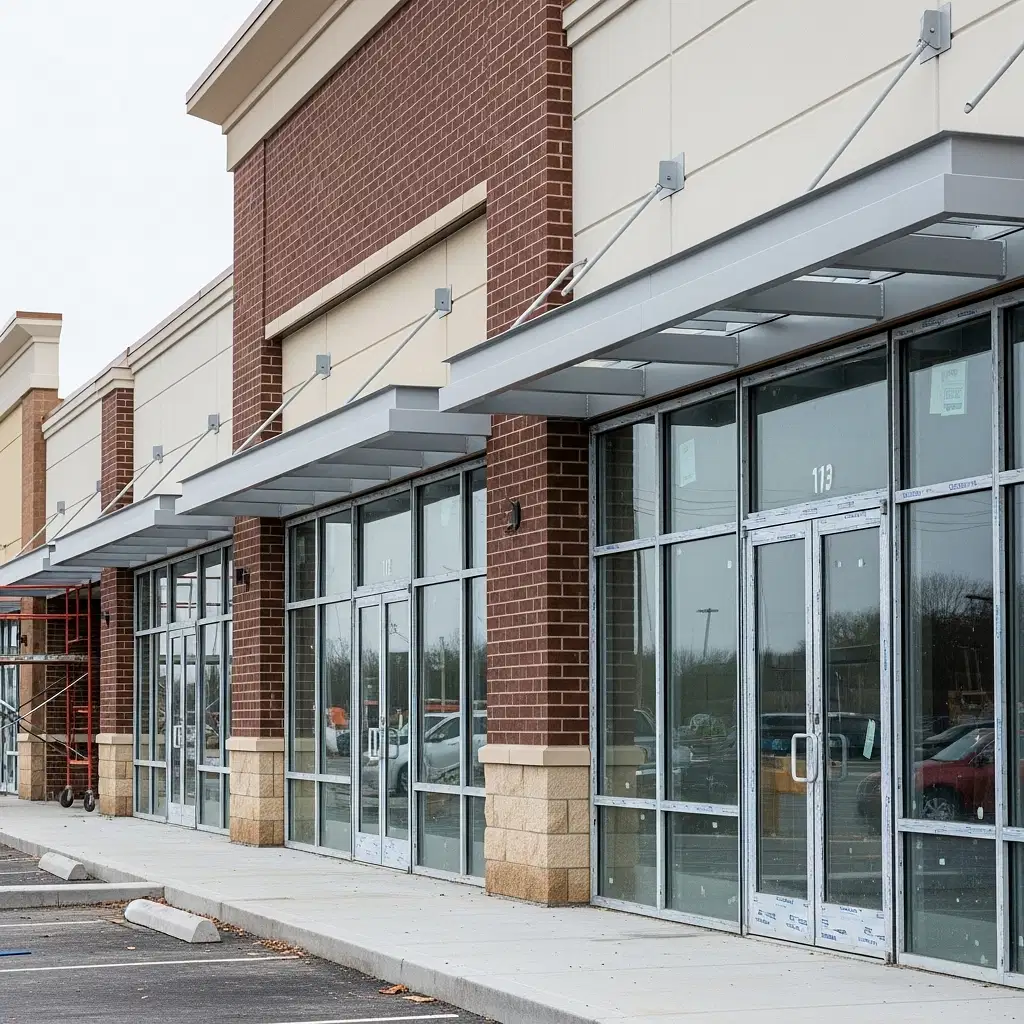
At The Healthy Abode, we understand the unique logistical and regulatory challenges that commercial property owners face. Whether you are managing a high-rise condo building, retrofitting a warehouse in Liberty Village, or updating a row of historic storefronts, our team is equipped to provide the precise testing and reporting you need to operate with confidence. If you are preparing for a new tenant build-out or simply want to audit the current health of your property, reach out to us through our contact page to discuss how we can support your commercial portfolio.