
The Complete Guide to Hazardous Material Testing Before a Major Home Addition
Expanding your living space is one of the most exciting and rewarding investments you can make as a homeowner. Whether you are planning a sprawling second-story addition to accommodate a growing family or constructing a modern Laneway Suite in your backyard, the prospect of creating new, functional space is thrilling. However, before the architectural drawings are finalized and the first sledgehammer swings, there is a critical step that simply cannot be ignored: testing for hazardous materials.
In older cities like Toronto, our neighborhoods are filled with stunning, historic properties. From charming century homes to post-war bungalows, these houses carry incredible character. Unfortunately, they also carry the building practices of their respective eras, which often included materials we now know to be highly dangerous. When you start opening up walls, lowering basements, or tearing off roofs, you risk disturbing these hidden hazards, releasing them into the air your family and your construction crew breathe.
Navigating a major renovation already comes with its fair share of stressors. You might be dealing with fluctuating material costs, scheduling delays, or the lengthy process of seeking approvals from the Committee of Adjustment. The last thing you want is for a hazardous material discovery halfway through demolition to bring your site to a grinding halt. Not only does this cause severe budget overruns, but it also creates immense liability and health risks.
The most effective way to prevent these expensive and dangerous surprises is by understanding pre demolition designated substance survey requirements. A comprehensive Designated Substance Survey (DSS) is a systematic inspection that identifies the presence of hazardous materials like asbestos, lead, silica, and mercury before any walls are opened. Having this survey completed early in the planning phase allows your project managers to factor safe removal into the initial budget and timeline, ensuring a smooth, fully compliant build that keeps everyone protected.
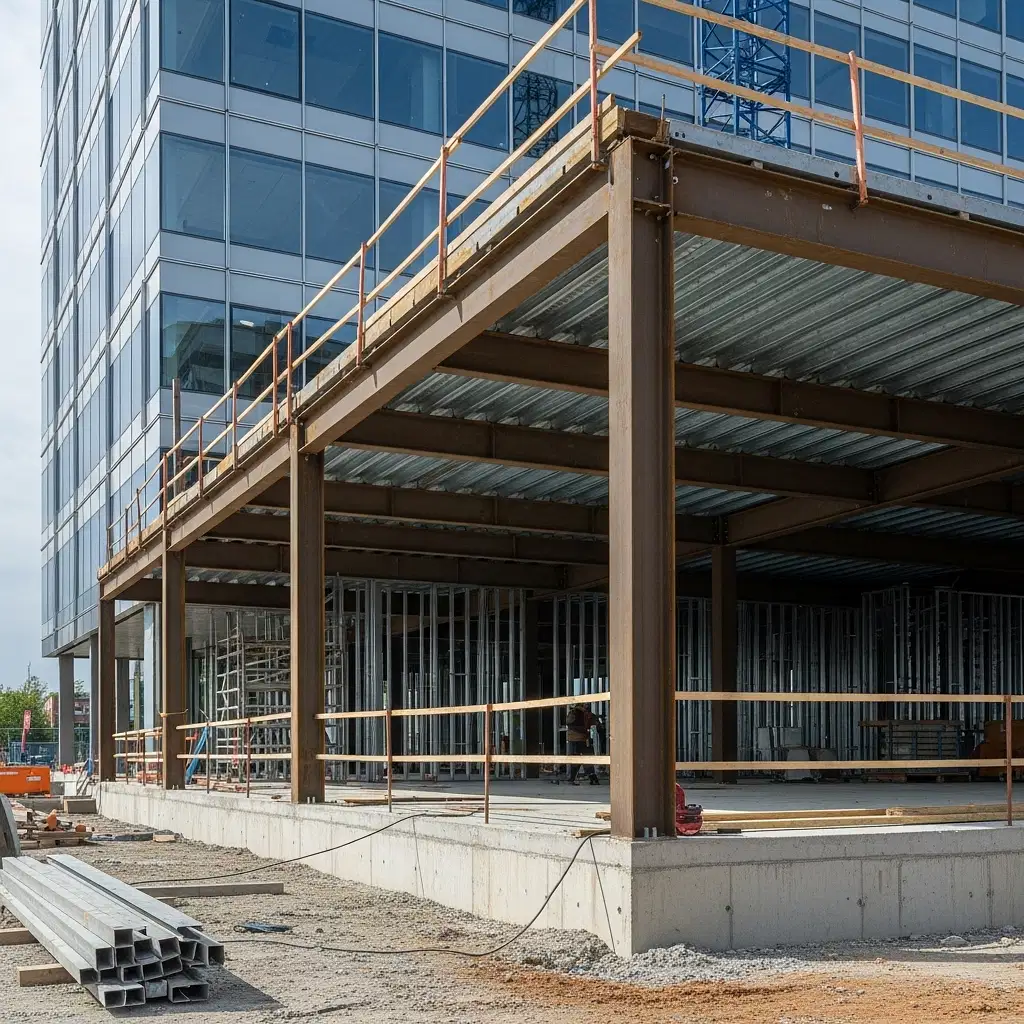
Uncovering the Hidden Risks of Asbestos in Older Homes
For decades, asbestos was hailed as a miracle material in the construction industry. It was fire-resistant, durable, and an excellent insulator. Because of these properties, it was used extensively in home building right up until the late 1980s. If your home was built or renovated before 1990, there is a very high probability that asbestos is present somewhere in the structure.
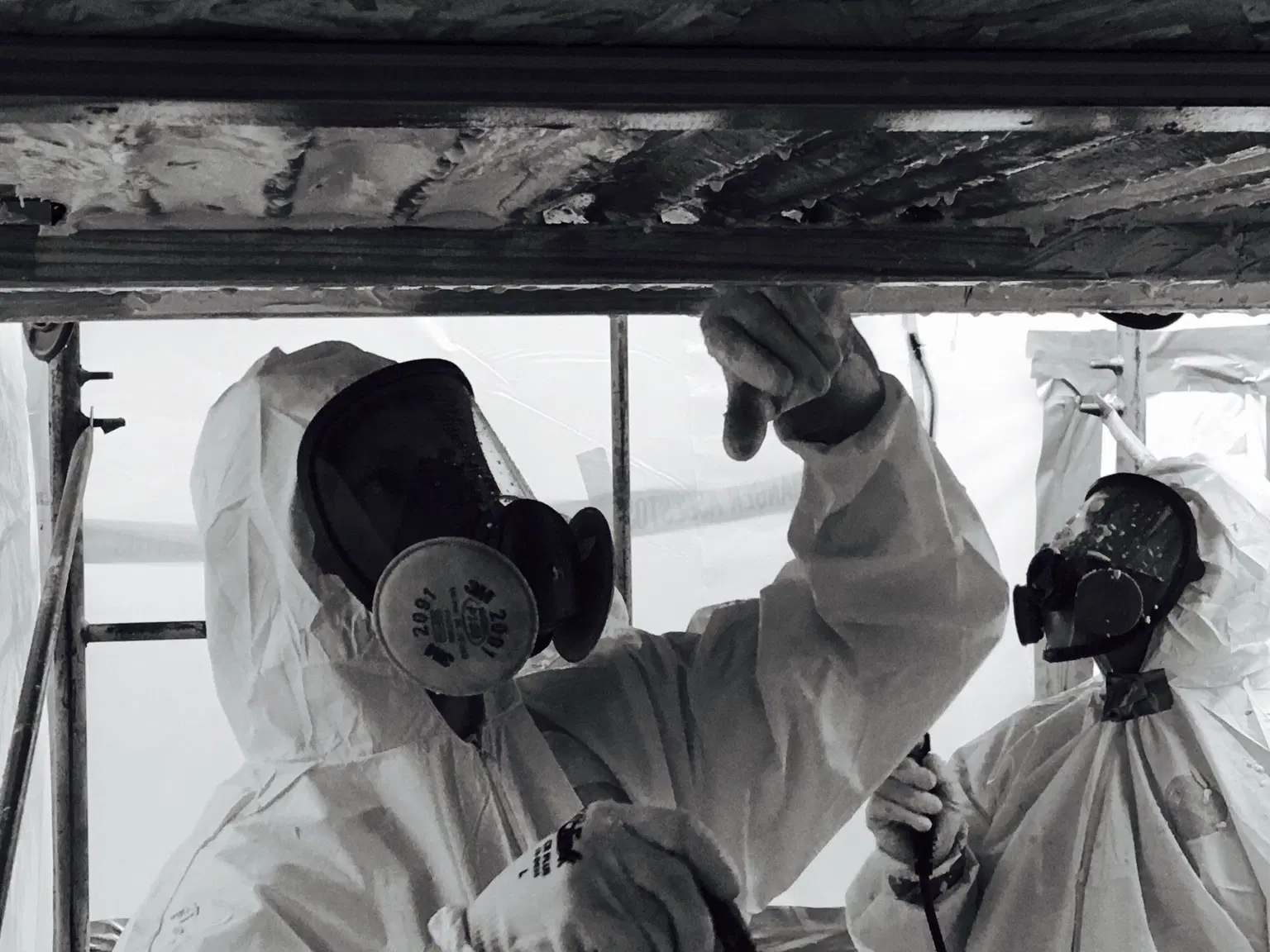
During a major home addition, contractors frequently need to remove structural walls, tear up old flooring, or alter the HVAC ductwork to integrate the new space with the old. These activities generate significant vibration and dust. If asbestos-containing materials are disturbed, they release microscopic fibers into the air. When inhaled, these fibers become permanently trapped in the lungs, leading to severe respiratory diseases over time.
Asbestos can hide in places you might never suspect. It is commonly found in old floor tiles, popcorn ceiling textures, drywall joint compound, plaster, pipe insulation, and even the exterior siding of your home. Sometimes, it is discovered alongside obsolete electrical systems like knob and tube wiring, hiding in the thermal insulation behind the walls.
Because you cannot identify asbestos simply by looking at it, professional testing is an absolute necessity. Conducting proper asbestos bulk sampling before structural wall removal ensures that any hazardous fibers are safely identified. By booking professional Asbestos Bulk Testing, certified environmental technicians will carefully extract small samples from various suspect materials around your home. These samples are then analyzed in an accredited laboratory to confirm the presence, type, and concentration of asbestos.
If asbestos is found, it doesn't mean your addition is doomed. It simply means that a specialized abatement team must safely remove and dispose of the material before your general contractors begin their demolition work. Identifying this early keeps your building schedule completely on track and shields your tradespeople from unsafe working conditions.
The Dangers of Lead Paint During Structural Demolition
While asbestos often dominates the conversation around hazardous building materials, lead paint is an equally serious threat that is frequently overlooked by homeowners planning renovations. Lead was a standard additive in residential paint prior to 1978, prized for its ability to speed up drying times, increase durability, and resist moisture.
If you are undertaking a Victorian restoration or updating a classic semi, there are likely multiple layers of lead-based paint hiding beneath the modern coats on your baseboards, window frames, doors, and exterior siding. As long as lead paint is in good condition and left undisturbed, it generally poses a low risk. However, the demolition required for a home addition—such as sanding, scraping, knocking down walls, and removing old windows—turns that dormant paint into highly toxic lead dust.
Lead dust is incredibly heavy and fine, making it difficult to control. It settles onto floors, gets tracked through the rest of the house, and can easily be inhaled or ingested. For young children and pregnant women, lead exposure is particularly devastating, potentially causing severe developmental issues and neurological damage. Even for healthy adults, lead poisoning can lead to high blood pressure, joint pain, and memory loss.
Identifying lead paint prior to home additions is a critical step in your project's environmental due diligence. Through professional Lead Paint and Dust Testing and Inspection, technicians utilize advanced X-ray fluorescence (XRF) technology or laboratory paint chip analysis to accurately detect the presence of lead layer by layer.
If lead is detected, your contractor can implement stringent dust control measures during the demolition phase. This typically involves setting up negative air pressure zones, using specialized HEPA vacuums, and applying wet-sanding techniques to prevent the toxic dust from becoming airborne and spreading into the occupied areas of your home. Testing allows you to proactively manage the hazard rather than reacting to a contamination crisis later.

Prioritizing Health and Transparency in Your Renovation Journey
A successful home addition is about much more than just beautiful finishes and increased square footage; it is about building a safe, enduring environment for your family. By addressing environmental hazards head-on before the demolition phase begins, you eliminate the risk of unexpected project delays, sudden budget spikes, and, most importantly, severe health consequences.
Investing in comprehensive environmental testing demonstrates a commitment to doing the job right. It gives you peace of mind knowing that the air your family breathes is clean and that the tradespeople working on your property are protected. When you have concrete data about what lies behind your walls, your contractors can provide transparent, accurate estimates that reflect the true scope of work, completely eliminating the guesswork.
Whether you are planning a massive multi-story extension, converting a basement, or adding a secondary suite to your property, safety must be the foundation of your project. If you are preparing for a major home addition in Toronto or the surrounding region, don't leave your family's health to chance. Contact The Healthy Abode today to schedule your environmental assessments and ensure your dream renovation starts on a foundation of safety.