
Serving Up Safety: The Essential Guide to Environmental Testing for Restaurant Renovations
Opening a new restaurant or updating a commercial kitchen is an exciting milestone. You have a vision for the menu, the ambiance, and the dining experience. However, before the first piece of drywall comes down or the new commercial ovens are installed, there is a critical step that cannot be overlooked: ensuring the environmental safety of the space.
Whether you are taking over a historic storefront along Bloor St or updating a modern commercial space, hidden hazards can quickly derail your project timeline and budget. Navigating the heavy traffic and complex logistics of a commercial build in the Greater Toronto Area is challenging enough without unexpected surprises hiding behind the walls. By prioritizing environmental diligence from day one, you protect your crew, your future patrons, and your bottom line.
The Hidden Hazards Behind Commercial Kitchen Walls
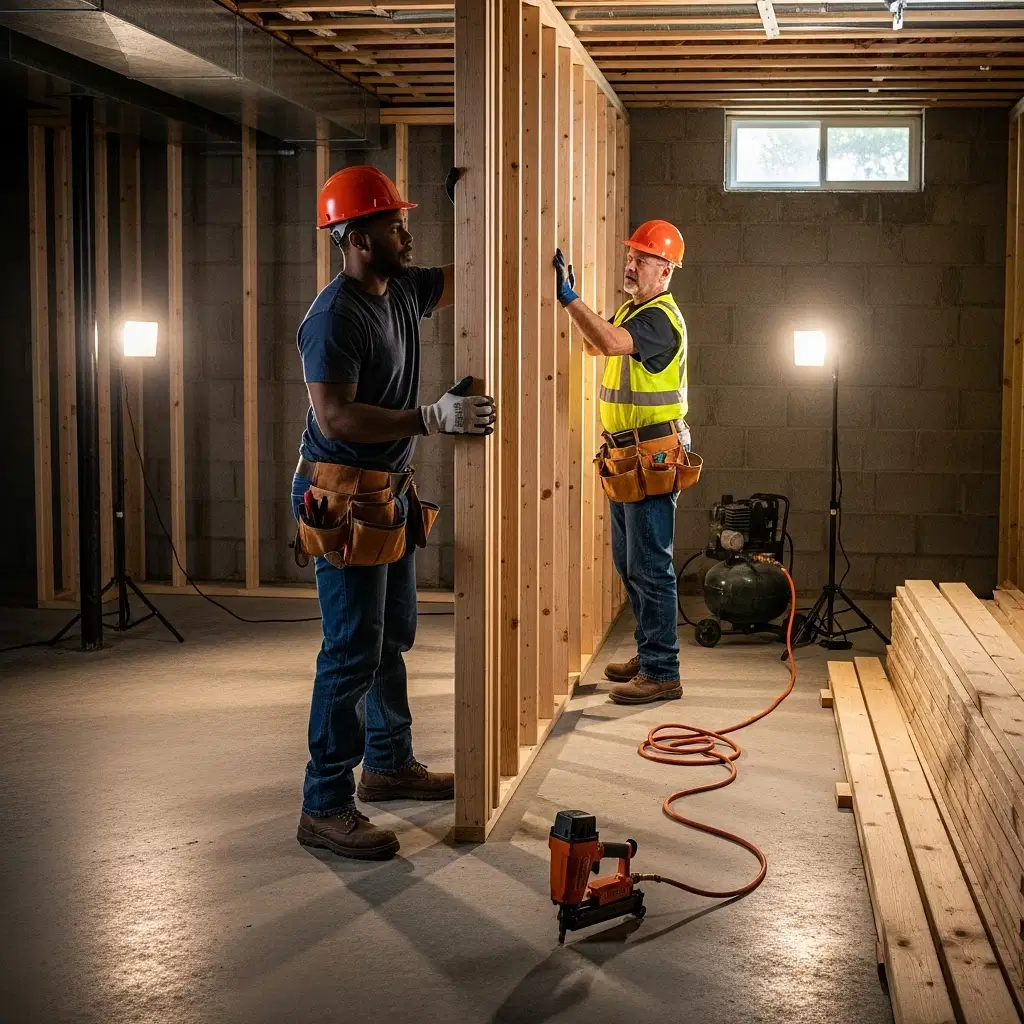
Commercial kitchens are unique environments subject to extreme heat, constant moisture, and heavy daily use. Over time, these conditions can lead to severe structural and environmental issues, particularly in older buildings. When you begin tearing out old commercial sinks, dishwashing stations, or walk-in coolers, you may uncover environments where moisture has been trapped for years.
This trapped moisture is a prime breeding ground for fungal growth, which compromises both indoor air quality and structural integrity. Before beginning your demolition phase, conducting thorough Mold Surface Testing is highly recommended. Identifying contamination early prevents scope creep—a major pain point that often leads to underbidding and eroded profit margins on fixed-price contracts. If you only discover an issue halfway through the build, you are forced to halt operations, bring in remediation specialists, and push back your grand opening.
Beyond moisture issues, older commercial spaces frequently contain legacy building materials. From outdated knob and tube wiring to materials containing asbestos or lead paint, addressing these elements properly is essential for regulatory compliance and WSIB requirements. Discovering these materials early allows your project management team to factor remediation into the initial timeline, rather than letting it become an expensive surprise.
Ensuring Clean Water for Your Food Service Operations
In any restaurant, water is a fundamental ingredient. It is used for cooking, cleaning, drinking, and ice making. The quality of your water supply directly impacts the quality of your food and the health of your customers. During a major renovation, especially when converting an older retail space into a food service establishment, evaluating the existing plumbing infrastructure is crucial.
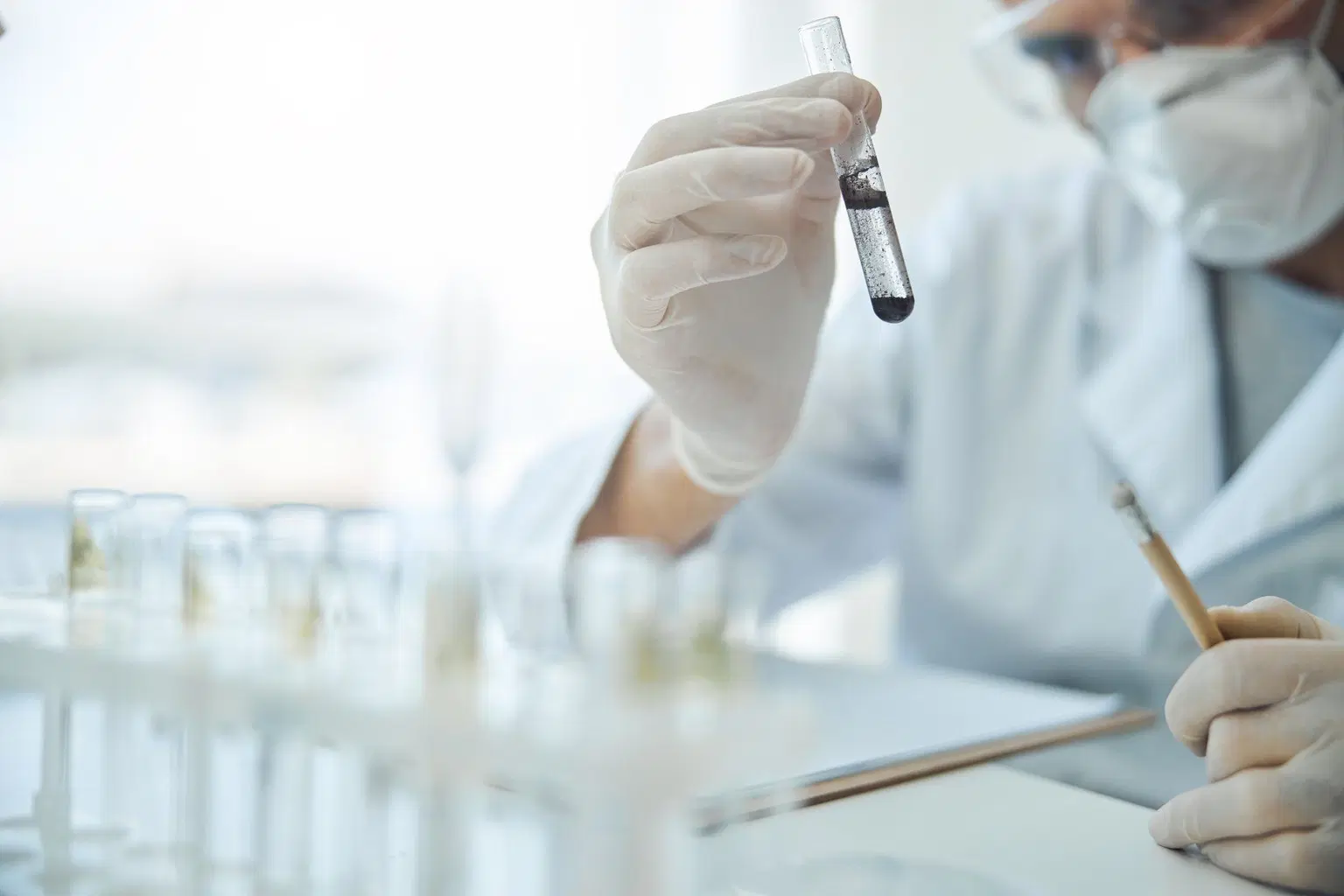
Older pipes can harbor sediment, bacterial buildup, or even leach harmful metals into the water supply. Upgrading the plumbing is standard during a commercial kitchen build, but verifying the baseline safety of the municipal lines entering your unit requires specialized Water Testing. This testing ensures that the water flowing into your newly installed commercial fixtures meets all health and safety standards.
Proactive testing also helps you navigate municipal building permits and health inspections more smoothly. When you can demonstrate that your facility has undergone rigorous environmental checks, it builds immense trust with local health inspectors and expedites your approval processes.
Comprehensive Assessments for Smooth Operations
Managing a commercial renovation requires juggling multiple moving parts, from securing parking permits for work vehicles on tight neighborhood streets to managing supply chain delays for specialized kitchen equipment. To keep your project on track, establishing a safe foundation is the most critical first step.
This is where scheduling Commercial Indoor Environmental Assessments provides peace of mind. A comprehensive assessment looks at the entire picture—air quality, structural hazards, and hidden moisture—giving you a clear roadmap before construction begins. It allows your design-build team to provide transparent pricing and accurate estimates, which are vital for securing financing and managing investor expectations.
At The Healthy Abode, we understand the unique pressures of the hospitality industry. We know that every day your doors are closed for renovations is a day of lost revenue. By integrating environmental safety checks into the very beginning of our process, we help you avoid the costly delays associated with mid-project hazard discoveries.
If you are planning to build or update a restaurant space in the local area, don't leave what is behind the walls to chance. Protect your investment and your future guests by starting with a clean bill of health. Reach out to our team today to learn how we can support your commercial vision with expert environmental oversight, ensuring your new space is as safe as it is beautiful.