
Planning a Renovation in Your Toronto Home? Don't Overlook Lead and Dust Safety
Embarking on a home renovation is an exciting prospect. Whether you're finally creating that open-concept kitchen in your semi-detached home or finishing the basement for more family space, the goal is always to improve your living environment. But when you're dealing with Toronto's beautiful, older housing stock, there are hidden hazards that can turn a dream project into a health risk. One of the most significant concerns is lead-based paint and the hazardous dust that renovations can create.
Many homeowners focus on budgets, timelines, and aesthetics, but ensuring the health and safety of your family during and after the project is paramount. This guide will walk you through why lead and dust are serious concerns for any reno and what steps you can take to ensure your home remains a healthy abode.
The Hidden Hazard: Why Lead Paint in Older Homes is a Big Deal
Before 1978, lead was a common ingredient in interior and exterior paint, prized for its durability and colour. Unfortunately, we now know that lead is highly toxic, especially to children and pregnant women. In Canada, paint with high lead content was banned for consumer use in the mid-1970s, but it can still be found layered on walls, trim, doors, and windows in countless homes across the city.
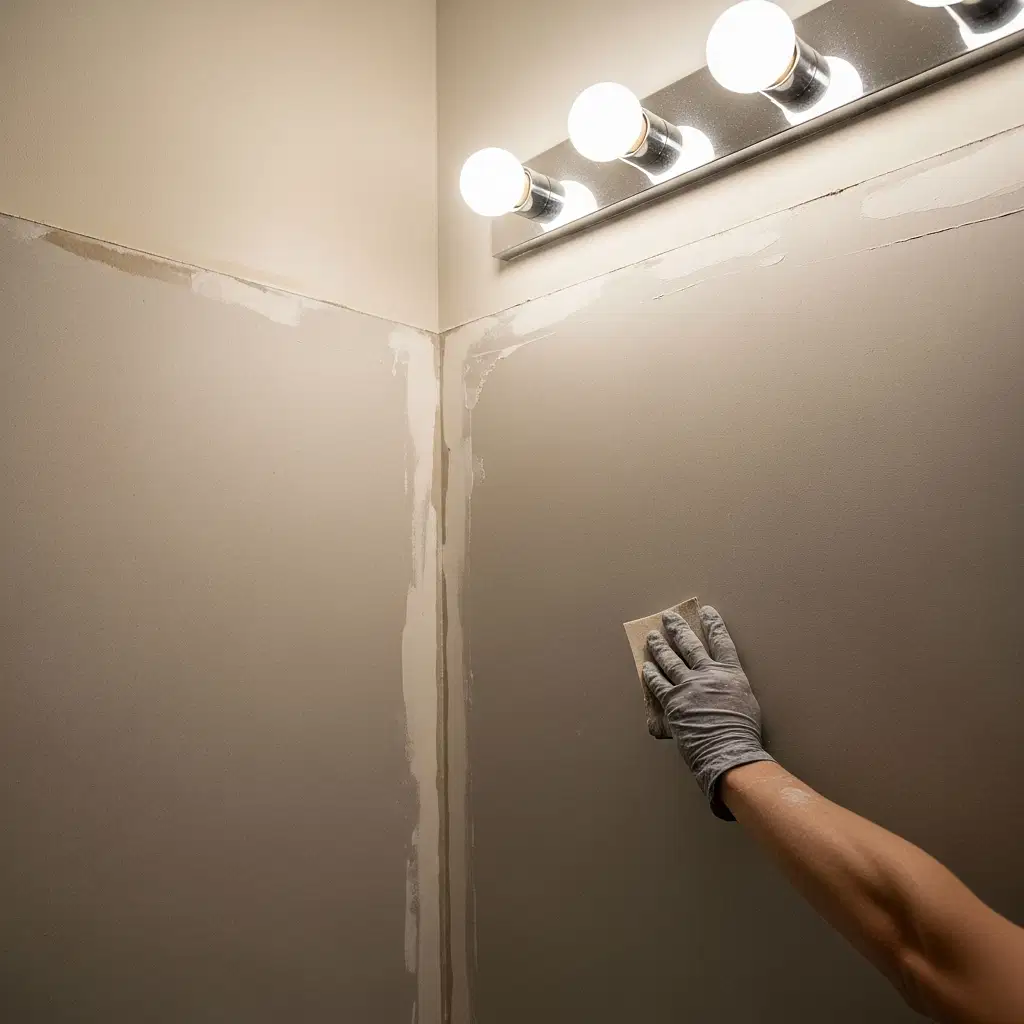
When is it a problem? Lead paint that is intact and in good condition is generally not an immediate hazard. The danger arises when it's disturbed. Renovation activities like sanding, scraping, cutting, or demolition can release microscopic lead particles into the air. This lead-contaminated dust can settle on floors, furniture, and toys, and can be easily inhaled or ingested.
Exposure to lead can cause serious health issues, including developmental delays in children and damage to the brain, nervous system, and kidneys in people of all ages. Because the risk is invisible, professional testing is the only way to know for sure if you're dealing with lead-based paint before your project begins.
More Than Just Lead: The Unseen Dangers of Construction Dust
While lead is a primary concern, it's not the only risk hiding in construction dust. The dust generated during a renovation is a complex mixture of materials that can compromise your home's indoor air quality. This is a growing concern for health-conscious families, aligning with the trend towards creating healthier indoor environments.
Renovation dust can contain:
- Silica: From cutting concrete, brick, or tile.
- Asbestos fibres: If older materials like insulation or vinyl flooring are disturbed.
- Mold spores: Released from damp areas behind walls or under floors.
- Wood dust and other particulates: All of which can irritate the respiratory system.
Properly managing all dust—not just from lead paint—is crucial for a safe project. This involves a comprehensive approach that starts with identifying potential hazards through services like lead paint and dust testing and inspection and ends with ensuring the air and surfaces in your home are clean and safe.
A Proactive Plan for a Healthy Renovation
Protecting your family from renovation hazards doesn't have to be complicated, but it does require a clear plan. A professional and trustworthy contractor will always prioritize safety and transparency. Here are the essential steps they should follow:
-
Test Before You Touch: The first step is always to identify what you're dealing with. Before any demolition begins, a certified inspector should test any suspect materials for lead. This informs the entire safety protocol for the project.
-
Isolate the Work Area: Proper containment is non-negotiable. This means sealing off the renovation zone from the rest of your home using heavy-duty plastic sheeting. Vents should be sealed, and a negative air pressure system with HEPA (High-Efficiency Particulate Air) filtration should be used to prevent dust from escaping the work area.
-
Work Safely: Workers should wear appropriate personal protective equipment (PPE), and specialized tools with dust-collection systems should be used whenever possible. Using wet-sanding and scraping techniques can also help minimize airborne dust.
-
Verify with Clearance Testing: This is perhaps the most critical and often-overlooked step. After the renovation and initial cleanup are complete, but before the containment barriers are removed, a final inspection is needed. Clearance dust testing involves taking dust samples from various surfaces to be analyzed by a lab. This is the only way to scientifically verify that the area has been properly cleaned and is safe for your family to occupy again.
Choosing a Partner Who Prioritizes Your Health
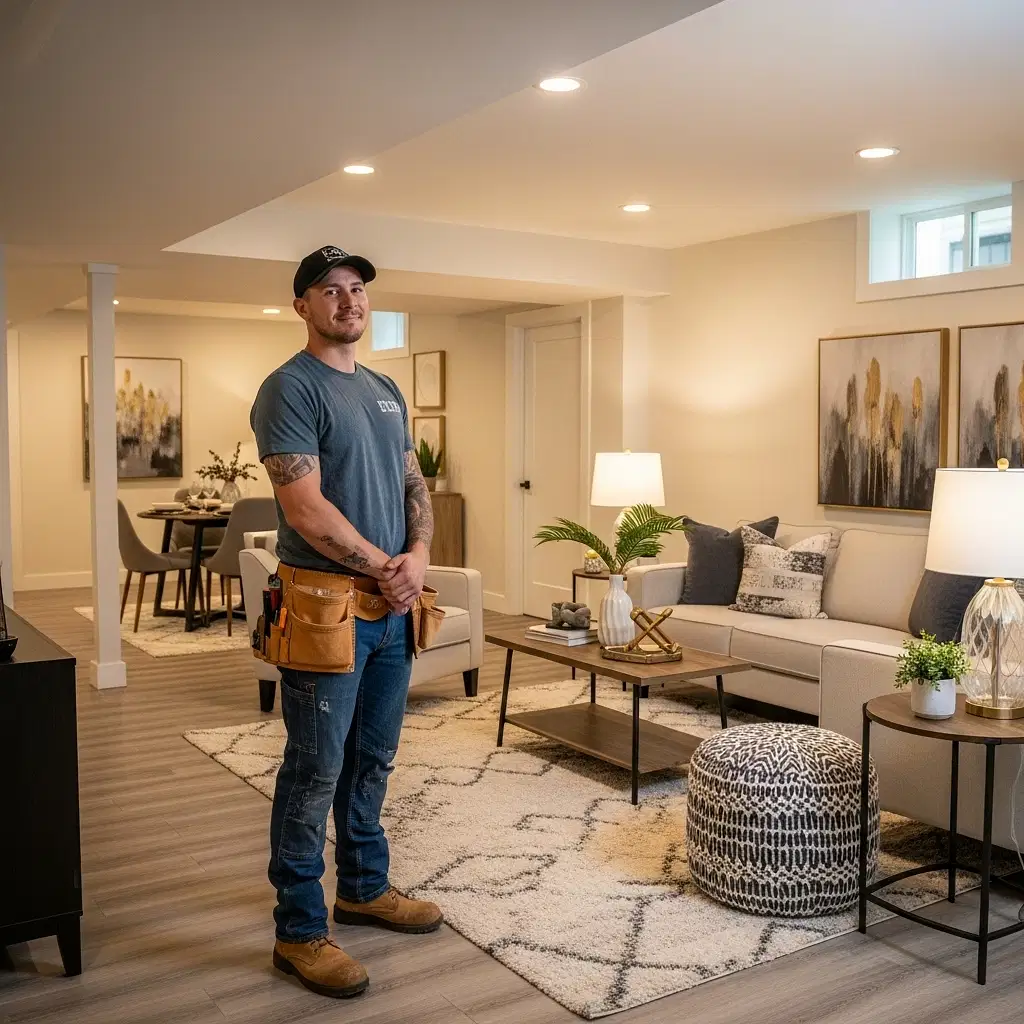
When you're interviewing contractors, their approach to safety should be a key factor in your decision. Quality of workmanship and adherence to budget are crucial, but neither matters if your family's health is put at risk.
Ask potential contractors these questions:
- What is your process for identifying and handling potential lead paint and other hazardous materials?
- How do you contain the work area to prevent dust from spreading through our home?
- Do you perform clearance testing after the project is complete?
An experienced and reliable professional will have clear, confident answers. They will understand the local regulations and permit requirements for this type of work and will be transparent about the steps they take to protect you. Beyond air quality, it's also wise to consider other environmental factors, such as the quality of your home's water supply, which can be assessed through professional water testing.
Renovate with Confidence and Peace of Mind
Renovating your Toronto home should be a rewarding experience that adds value and joy to your life. By understanding the risks associated with lead paint and construction dust and taking proactive steps to manage them, you can ensure your project is a success in every sense of the word. Prioritizing professional testing, proper containment, and final clearance verification is the best investment you can make in your family's long-term health and well-being.
If you're planning a renovation and want to ensure it's done safely and correctly, The Healthy Abode is here to help. We specialize in creating healthier living spaces through meticulous planning and expert execution. Contact us today to discuss our lead and dust testing, clearance inspections, and other services designed to give you complete peace of mind. Let's build something beautiful and safe together. Get in touch with our team to learn more.