Environmental Safety for Toronto Multiplex Conversions
The recent push for increased housing density has transformed the local real estate landscape, making multiplex conversions one of the most exciting opportunities for property owners today. With updated municipal initiatives like Expanding Housing Options in Neighbourhoods (EHON) and provincial legislation easing zoning bylaws, converting a single-family home into a multi-unit dwelling is more accessible than ever. However, while the prospect of adding rental units or creating multi-generational living spaces in Toronto is highly appealing, the physical process of transforming older properties comes with significant responsibilities.
Before you start tearing down walls or excavating basements, environmental safety must be your top priority. Older homes are full of character, but they can also hide hazardous materials that pose serious health risks to contractors, tradespeople, and future tenants. Failing to identify and manage these risks can lead to severe project delays, unexpected costs, and regulatory headaches. In this guide, we will explore the essential environmental safety steps you need to take to ensure your multiplex conversion is safe, compliant, and successful from the ground up.
Uncovering Hidden Hazards in Historic Properties
Many of the properties prime for multiplex conversion in the GTA are older structures. Whether you are planning a meticulous Victorian restoration in the downtown core or updating a classic semi in a neighborhood like Roncy, you are likely to encounter outdated building practices. It is incredibly common to open up a wall and find obsolete electrical systems like knob and tube wiring, or plumbing that requires a complete overhaul. But beyond the mechanical upgrades, the building materials themselves often require careful environmental scrutiny.
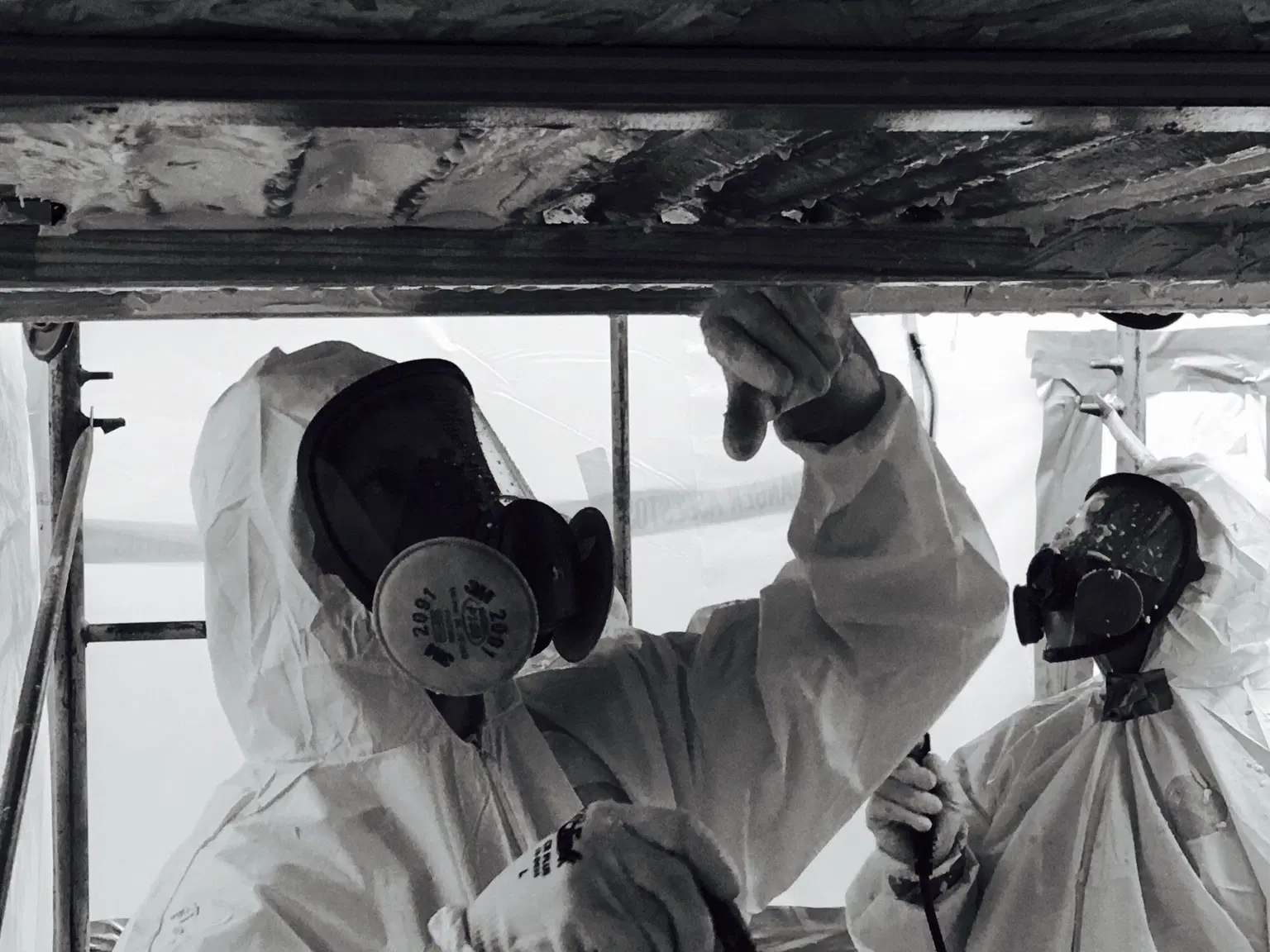
For decades, materials that we now know to be hazardous were standard in residential construction. When these materials are disturbed during demolition or structural alterations, they can release microscopic toxic particles into the air. This is why guessing what is behind your drywall is never a safe strategy. To protect everyone on site and keep your project moving smoothly, the first step in any major conversion should be a comprehensive Designated Substance Survey. This thorough assessment identifies the presence of regulated hazardous materials before a single hammer swings, allowing you to plan for safe removal and avoid sudden municipal stop-work orders that can derail your timeline.

Essential Testing: Managing Asbestos and Mold
When converting a property into a multiplex, you are often dealing with extensive structural changes, such as removing load-bearing walls, upgrading insulation, or lowering basement floors to create livable lower-level suites. These activities frequently disturb two of the most common environmental hazards found in older homes: asbestos and mold.
Asbestos was widely used in everything from vinyl floor tiles and duct wrap to drywall joint compound and plaster. Because it is impossible to identify asbestos simply by looking at it, professional Asbestos Bulk Testing is absolutely critical. By taking precise samples of suspect materials and analyzing them in a laboratory, you gain the exact knowledge needed to hire the right abatement professionals and safely remove the threat.
Similarly, mold is a persistent issue, particularly in older basements that may have suffered from poor drainage or historical leaks. When you are converting a damp, unfinished basement into a modern, healthy living space, ignoring existing moisture issues is a recipe for disaster. A detailed Mold Inspection will identify hidden fungal growth and the underlying moisture problems causing it. Addressing these issues early ensures that your new units will have excellent indoor air quality, protecting your future tenants' health and your investment from long-term structural damage.
Navigating Compliance and Ensuring a Safe Return
Managing a multiplex conversion means navigating a complex web of logistics, from securing parking for trades on narrow streets to managing material deliveries. It also means dealing with strict municipal regulations. If your project requires minor variances, you may already be familiar with the Committee of Adjustment process. The last thing you want is to successfully navigate zoning approvals only to be shut down by the Ministry of Labour or local building inspectors due to unsafe handling of hazardous materials.
Proper environmental testing not only keeps you compliant with occupational health and safety regulations but also provides peace of mind. Once any necessary abatement or mold remediation has been completed, how do you know the space is truly safe for your framing, plumbing, and electrical teams to enter? This is where Clearance Air Testing becomes an invaluable part of your project workflow. This final testing phase provides documented, scientific proof that the air quality meets all safety standards, allowing your renovation to proceed without hesitation.
Build with Confidence and Care
Transforming a single-family home into a multiplex is a fantastic way to maximize your property's value while contributing to the community's housing needs. However, the success of these complex projects relies heavily on a foundation of safety and transparency. By proactively testing for designated substances, asbestos, and mold, you protect the skilled tradespeople working on your site and guarantee a healthy living environment for the families who will eventually call your property home.
At The Healthy Abode, we understand the unique challenges of renovating older properties and the importance of keeping your project on schedule and on budget. If you are planning a multiplex conversion in Toronto, do not leave environmental safety to chance. Reach out to us through our contact page today to schedule your environmental assessments and build with absolute confidence.