
Beyond the Gingerbread Trim: A Guide to Environmental Safety in Toronto Victorian Home Restorations
Toronto's historic neighbourhoods, from the grand dames of The Annex to the iconic bay-and-gables of Cabbagetown, are filled with stunning Victorian homes. Their intricate brickwork, soaring ceilings, and irreplaceable character make them a dream for many homeowners. But embarking on a Victorian restoration is more than just a design project; it's an exercise in preserving history. And with that history comes the legacy of past building materials, some of which can pose significant health risks if disturbed. Before you start tearing down walls to create that open-concept main floor, it's crucial to understand the hidden environmental hazards that could be lurking within your dream home. This guide will walk you through the most common issues—asbestos, lead, and mold—and explain why professional testing is the most important first step in ensuring your renovation results in a truly healthy abode.
The Unseen Risk: Asbestos in Plaster, Insulation, and More
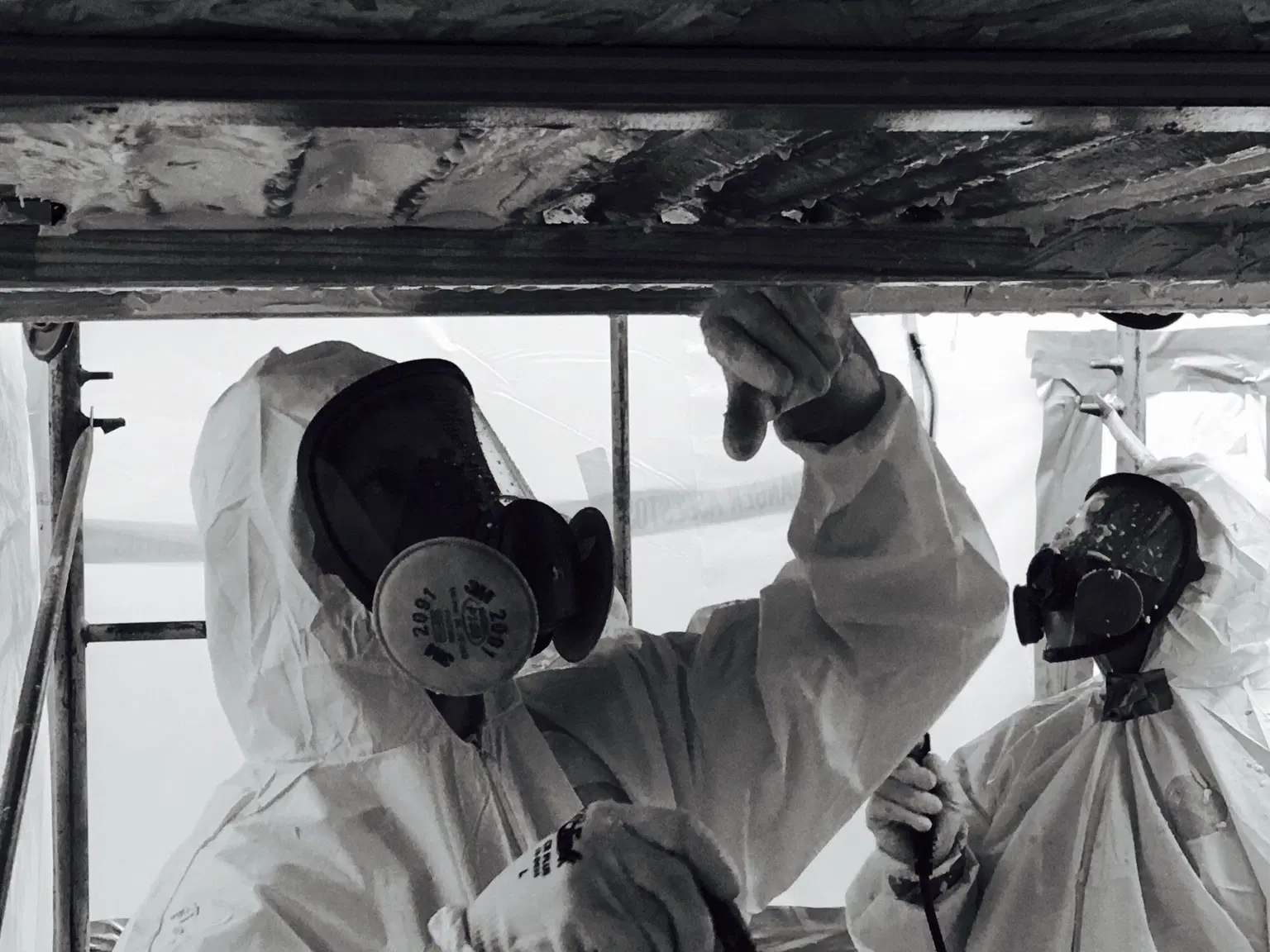
For decades, asbestos was a go-to material for its fire-resistant and insulating properties. In Victorian homes, it can be found in a surprising number of places: wrapped around old furnace ducts (the classic "octopus" furnace), in vermiculite attic insulation, within plaster walls and ceilings, in vinyl floor tiles, and even in the mastic used to glue them down. Left undisturbed, these materials are generally not a direct threat. However, the moment a renovation begins—sawing, sanding, or demolishing—asbestos fibres can be released into the air. Once airborne, these microscopic fibres can be inhaled, leading to serious long-term health issues.
This is why a proactive approach is non-negotiable. Before any demolition work, a professional asbestos bulk testing service is essential. A certified technician will take small, careful samples of suspect materials from around your home and have them analyzed by a lab. Knowing for certain whether asbestos is present, and where, allows you and your contractor to create a safe abatement plan, protecting your family and the tradespeople working on your home. It’s a critical step that aligns with WSIB regulations and ensures your project starts on a foundation of safety.
A Heavy Metal Legacy: The Dangers of Lead Paint
That charming, layered paint on your original baseboards and window frames might be hiding a toxic secret. Lead was a common additive in paint until it was banned for residential use in Canada in the 1970s. Virtually every Victorian home will have layers of lead-based paint on its walls, trim, doors, and exteriors. Like asbestos, it's the dust that poses the danger. Sanding, scraping, or even the friction of opening and closing an old window can create lead-contaminated dust that is incredibly harmful, especially to children and pregnant women.
Many homeowners are unaware of this risk until it's too late. Symptoms of lead exposure can be subtle, but the long-term effects are severe. To safeguard your family's health, a lead paint and dust inspection is a wise investment. Using specialized equipment like an XRF analyzer, a professional can identify the exact locations and concentrations of lead paint. This information is vital for implementing lead-safe work practices, ensuring that any paint removal is done correctly and contained, preventing the spread of toxic dust throughout your living space.
More Than a Musty Smell: Tackling Mold in Historic Foundations
Many of Toronto's older homes have fieldstone or brick foundations and were built before modern waterproofing techniques were developed. Over a century of freeze-thaw cycles and changing water tables can lead to persistent dampness in the basement—a perfect breeding ground for mold. This isn't just a cosmetic issue or a musty smell; mold releases spores into the air that can trigger allergies, asthma, and other respiratory problems. During a renovation, hidden mold colonies behind walls or under floorboards can be disturbed, releasing a massive number of spores into your home.
If you've noticed water seepage, high humidity, or a persistent earthy odour, it's important to investigate before you start finishing the basement. Professional mold surface testing can identify the type and concentration of mold present. This allows for a targeted remediation plan that doesn't just remove the existing mold but also addresses the underlying moisture issue, ensuring it doesn't return. A dry, mold-free foundation is essential for the long-term health of both your house and your family.
Creating a Holistic Healthy Home
While asbestos, lead, and mold are the three biggest culprits in historic homes, a truly safe renovation considers the entire indoor environment. Poor ventilation, off-gassing from old materials, and even the dust from deteriorating knob and tube wiring can all impact your home's air quality. A comprehensive assessment provides a complete picture of your home's environmental health.
By getting a general indoor air quality report, you can move forward with your renovation plans confidently. This holistic view ensures that when the dust settles, you're left with not just a beautiful restoration, but a home that is fundamentally safe and healthy for your family to enjoy for generations to come.
Restoring a piece of Toronto's architectural history is a rewarding journey. By prioritizing environmental safety from the very beginning, you honour the past while building a healthy future.
Planning a Victorian home restoration in the GTA? Don't guess when it comes to your family's health. Contact The Healthy Abode today to schedule a comprehensive environmental assessment and ensure your project is safe from the start.