
Beyond the Blueprints: Ensuring Safe Water and Air in Your New Toronto Laneway House
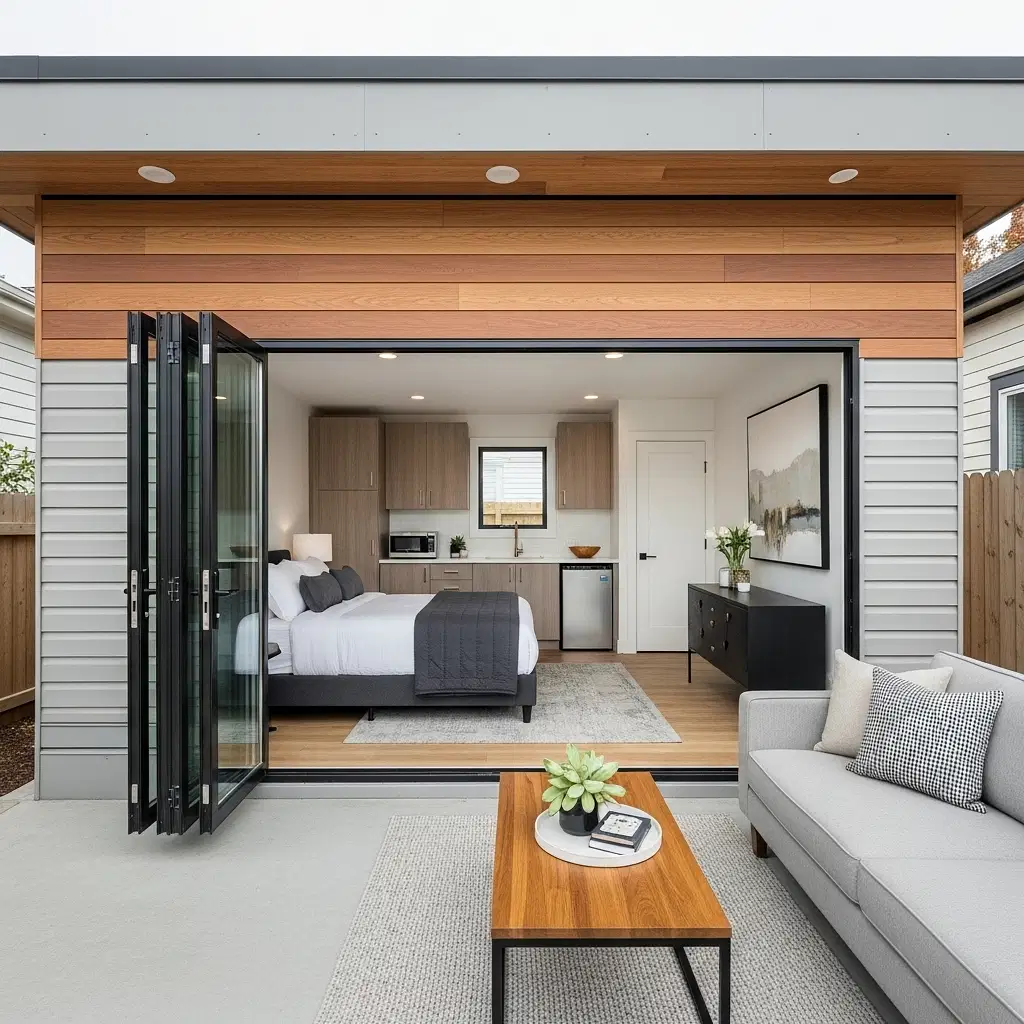
Laneway houses are transforming backyards across Toronto, offering innovative solutions for housing, rental income, and multi-generational living. As builders and homeowners focus on clever designs and maximizing square footage, it's easy to overlook two of the most fundamental elements of a healthy home: the air you breathe and the water you drink. While a new build seems like it should be the epitome of clean living, the reality is that new construction materials and processes can introduce hidden environmental risks.
Building a laneway house, or any secondary suite, is a significant investment. Ensuring it’s a safe and healthy space from day one is not just a finishing touch—it's essential for protecting your family, tenants, and your property's long-term value. This guide will walk you through the unique air and water quality challenges in new builds and explain how professional testing provides the ultimate peace of mind.
The Hidden Health Risks in New Construction
A brand-new home smells, well, new. But that “new home smell” is often a cocktail of chemicals off-gassing from building materials. Because laneway houses are typically smaller and built to be highly energy-efficient, they are often more airtight than older homes. While this is great for your hydro bill, it can also lead to a concentration of indoor air pollutants if not managed correctly.
Indoor Air Quality Concerns:
- Volatile Organic Compounds (VOCs): Many materials used in construction—paints, primers, flooring, adhesives, cabinetry, and insulation—release VOCs into the air. These compounds can cause everything from headaches and dizziness to more serious long-term health issues. In a compact, airtight space, VOC levels can be significantly higher.
- Moisture and Mold: The construction process itself can trap moisture within the building envelope. In a tightly sealed home, any subsequent moisture from daily living (showering, cooking) with inadequate ventilation can create the perfect breeding ground for mold. Identifying potential issues before they take hold is critical. A proactive mold inspection can pinpoint areas of concern before they become costly problems.
Water Quality Concerns:
- New Plumbing Contaminants: A laneway house requires brand new plumbing lines connected to the municipal water supply. The materials used in this process, such as solder, flux, and new pipes or fittings, can leach contaminants like lead, copper, and other metals into the water system. These levels are often highest immediately after construction is completed.
- Installation Debris: It's not uncommon for fine debris or bacteria to be introduced into the water lines during installation. Without proper flushing and testing, you can't be certain that the water from your new taps is safe for consumption.
A Proactive Approach: How Testing Creates a Healthy Home
Waiting for a problem to appear is a reactive strategy that can lead to expensive repairs and health concerns. A proactive approach involves professional environmental testing to verify the safety of your new home before you or your tenants move in. This aligns with the growing trend of prioritizing occupant health and well-being in modern building practices.
1. Verify Your Air is Fresh and Clean
Before the furniture arrives, it's the perfect time to get a baseline of your indoor air quality. This ensures the construction has been completed to a high standard of health and safety.
- VOC Testing: A professional VOC test measures the concentration of harmful chemicals in the air. If levels are high, you can take steps to ventilate the space thoroughly (a process known as a “bake-out”) and re-test to ensure the air is safe for occupancy. This simple step is crucial for protecting respiratory health.
- Comprehensive Indoor Air Quality Reports: Beyond VOCs, a full air quality assessment can check for other issues like formaldehyde, airborne particulates, carbon monoxide, humidity levels, and ventilation effectiveness. This report gives you a complete picture of your indoor environment and empowers you to make any necessary adjustments for optimal health.
2. Confirm Your Water is Pure from the Tap
Just because the water supply to your main house is fine doesn't guarantee the water in your new laneway suite is. The only way to know for sure is to test it at the source.
- Post-Construction Water Testing: A comprehensive water test will check for a range of potential contaminants, including lead, copper, bacteria (like E. coli and coliform), and turbidity. This provides documented proof that the drinking water is safe and that the plumbing work was completed correctly. It’s a small step that provides invaluable assurance for anyone living in the new space.

Build with Confidence: Your Final Quality Check
Building a laneway house is a complex project with many moving parts. From navigating permits with the city to coordinating trades, your focus is on getting the project done on time and on budget. Integrating environmental testing into your final checklist is one of the smartest decisions you can make. It’s the ultimate quality control measure, ensuring the finished product isn't just beautiful and functional, but genuinely healthy.
This commitment to detail and well-being demonstrates a higher standard of care, adding value to your property and providing a safe haven for its occupants. It’s about moving beyond building codes and embracing a philosophy of building truly healthy homes.
Are you planning or completing a laneway house or secondary suite project in the Toronto area? Don't leave the health of your new space to chance. Contact The Healthy Abode today to learn more about our comprehensive water testing, VOC testing, mold inspections, and indoor air quality reports. Let us help you ensure your new build is a healthy one, right from the start.