
Beyond the Blueprints: A Guide to Environmental Safety in Office Renovations
Planning an office or workplace renovation is an exciting venture. You're likely focused on creating a modern, productive, and welcoming space—visualizing an open-concept layout, better lighting, and upgraded amenities that will boost morale and impress clients. But while the aesthetic and functional aspects are crucial, some of the most important elements of a successful commercial reno are the ones you can't see. Hidden hazards and poor indoor air quality can not only derail your project but also impact the long-term health and well-being of your team.
For any business in Toronto undertaking a renovation, ensuring environmental safety isn't just a good idea; it's a critical responsibility. This guide will walk you through the essential environmental assessments needed to protect your employees, maintain compliance, and ensure your newly renovated workspace is as healthy as it is beautiful.
Step 1: Identifying Hidden Dangers Before Demolition
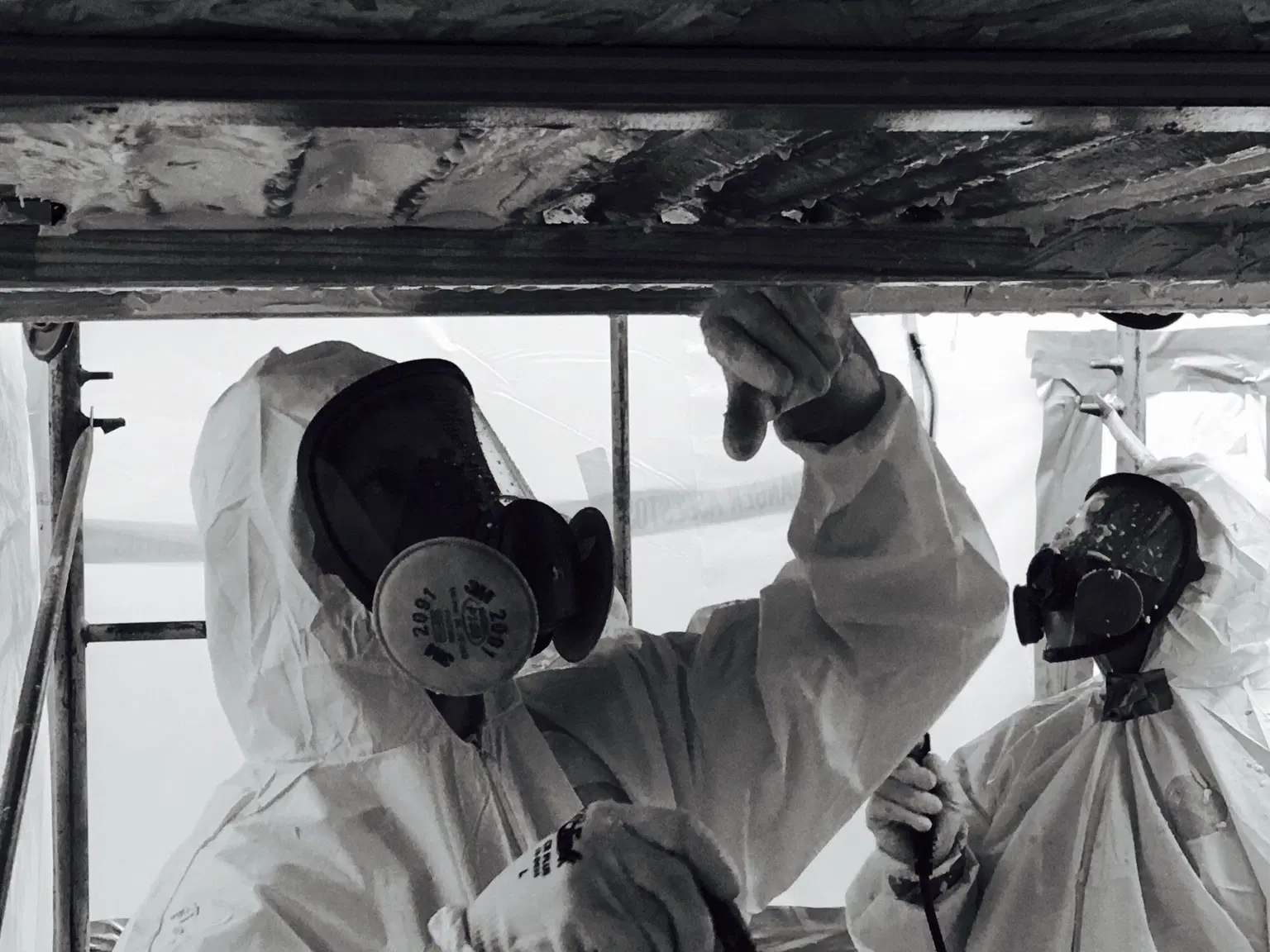
Many commercial buildings, especially older ones, contain materials that were once standard but are now known to be hazardous. Before a single wall comes down, it's crucial to know exactly what you're dealing with. This is where a Designated Substance Survey (DSS) becomes non-negotiable.
Designated substances are a specific list of chemical agents regulated by Ontario's Ministry of Labour, Training and Skills Development. They include materials like asbestos, lead, mercury, and silica, which can cause serious health issues if disturbed and released into the air during demolition or construction. A comprehensive Designated Substance Survey involves a thorough inspection and testing of building materials to identify the presence and location of these hazards.
Failing to complete a DSS before your reno begins can lead to significant consequences:
- Work Stoppages: If hazardous materials are discovered unexpectedly, all work must halt, leading to costly delays.
- Legal Penalties: Non-compliance with provincial health and safety regulations can result in hefty fines.
- Health Risks: Most importantly, you risk exposing your contractors and future occupants to dangerous airborne fibres and chemicals.
By conducting a DSS upfront, you can create a safe work plan, ensure hazardous materials are handled and removed properly, and keep your project on schedule and in compliance.
Step 2: Managing Air Quality During and After Construction
Once the renovation is underway, the focus shifts to maintaining healthy indoor air quality (IAQ). The construction process itself—sanding, cutting, painting—creates dust and debris. But new materials bring their own set of potential pollutants known as Volatile Organic Compounds (VOCs).
VOCs are gases emitted from various new products, including:
- Paints, primers, and finishes
- Adhesives and sealants
- New carpeting and flooring
- Manufactured wood products (like desks and cabinets)
- Office furniture and upholstery
High levels of VOCs can lead to what is often called "sick building syndrome," with occupants experiencing symptoms like headaches, dizziness, eye and throat irritation, and difficulty concentrating. This is the last thing you want your team to experience in their brand-new space. Proactive VOC Testing helps quantify the levels of these chemicals in the air, allowing you to make informed decisions about ventilation and material choices. Opting for low-VOC or zero-VOC products is a key trend in sustainable building and directly contributes to a healthier indoor environment.
A complete Commercial Indoor Environmental Assessment can provide a holistic view of your workspace's health, looking at factors beyond VOCs, such as mould, ventilation, and overall air exchange rates, to ensure a truly healthy abode for your business.
Step 3: The Final Verdict - Clearance Testing for a Safe Return
After the dust has settled and the last coat of paint has dried, there is one final, critical step before you welcome your team back: clearance testing. This is the verification that proves the renovation and any necessary abatement work were completed successfully and the space is officially safe for re-occupancy.
Clearance Air Testing is particularly vital if asbestos or other designated substances were removed. It involves aggressive air sampling to ensure that the concentration of harmful fibres in the air is below the acceptable regulatory limit. This isn't just a formality; it's your documented proof that you have exercised due diligence in protecting the health of your employees.
Passing clearance testing provides peace of mind and a definitive green light to move back in. It's the final seal of approval on a project that has prioritized health and safety from start to finish, preventing potential health complaints and ensuring your investment in a new office starts on a positive and healthy note.
Build a Healthier Workspace with Confidence
A successful office renovation goes far beyond aesthetics. It’s an investment in your company's most valuable asset: your people. By integrating environmental safety into your project plan from the very beginning, you ensure compliance, prevent costly delays, and create a workspace that truly supports employee health and productivity.
Navigating the requirements for designated substances, VOCs, and air quality can be complex. At The Healthy Abode, we specialize in providing comprehensive environmental assessments for commercial renovations across Toronto. We're here to help you ensure your project is not only beautiful but fundamentally safe.
Planning an office or workplace renovation? Contact us today to discuss how our Designated Substance Surveys, VOC Testing, and Clearance Air Testing services can help you build with confidence.