
Planning a Condo Reno? Don't Skip These Essential Health and Safety Tests
Embarking on a condo renovation is an exciting journey. You're about to transform your space, tailoring it perfectly to your lifestyle and aesthetic. Whether you're updating a kitchen in a downtown Toronto high-rise or reimagining a bathroom in a classic semi-detached, the possibilities are thrilling. But before you start picking out paint colours and finishes, there's a crucial step that protects both your health and your investment: environmental testing.
Many buildings, especially those constructed before the 1990s, can hide hazardous materials like asbestos and mold within their walls, ceilings, and floors. Disturbing these materials during a reno without proper precautions can release harmful particles into the air, posing serious health risks. This is why a proactive approach to health and safety is not just good practice—it's a fundamental part of a successful, worry-free renovation.
Beyond Aesthetics: Why Environmental Testing is Non-Negotiable
It’s easy to focus on the visible aspects of a home renovation, but what you can't see can have the biggest impact. Integrating environmental testing into your project plan is an investment in your long-term well-being and financial security.
Protecting Your Health: The primary reason for testing is to identify and safely manage substances that can be hazardous when disturbed. Asbestos fibres, for example, are known carcinogens, while mold spores can trigger allergic reactions and respiratory issues. Ensuring the air in your home is safe during and after construction is paramount.
Adhering to Regulations: The Ontario Building Code and Ministry of Labour have strict regulations regarding the handling of designated substances like asbestos. Failing to identify these materials before starting work can lead to stop-work orders, significant fines, and costly project delays. Proper testing ensures your project remains compliant from day one.
Preventing Costly Surprises: Discovering hazardous materials midway through demolition can derail your timeline and budget. By testing beforehand, you can accurately scope the project, account for any necessary abatement procedures, and avoid unexpected expenses and delays. It’s about smart project management and financial foresight.
Key Environmental Tests for Your Condo Renovation
Understanding which tests are necessary can feel overwhelming, but a professional can guide you. For most condo renovations, the focus is on a few key areas to ensure a safe environment.
Asbestos Bulk Testing
Before any demolition begins, it's critical to test for asbestos. In condos, it can be found in a surprising number of materials, including popcorn ceilings, drywall joint compound, vinyl floor tiles, and pipe insulation. Our Asbestos Bulk Testing service involves taking small, careful samples of these materials for laboratory analysis. This definitively tells us if asbestos is present and how it needs to be managed.
Mold Air Testing
Renovations can sometimes uncover hidden moisture problems from old leaks, which are the perfect breeding ground for mold. Even if you don't see any visible signs, mold spores can be present in the air. Mold Air Testing helps assess the level of airborne spores, ensuring that we address any underlying issues before sealing up the walls and creating a bigger problem down the road.
General Indoor Air Quality Reports
After the dust has settled and your renovation is complete, how do you know the air is truly clean? New building materials, paints, and furnishings can release Volatile Organic Compounds (VOCs) into the air. A final assessment provides a comprehensive overview of your home's environment. Our General Indoor Air Quality Reports give you the peace of mind that your new space is not only beautiful but genuinely healthy to live in.
What to Expect: The Testing Process from Start to Finish
We believe in transparency and keeping our clients informed every step of the way. Here’s a simple breakdown of how the environmental testing process typically works within your renovation project.
-
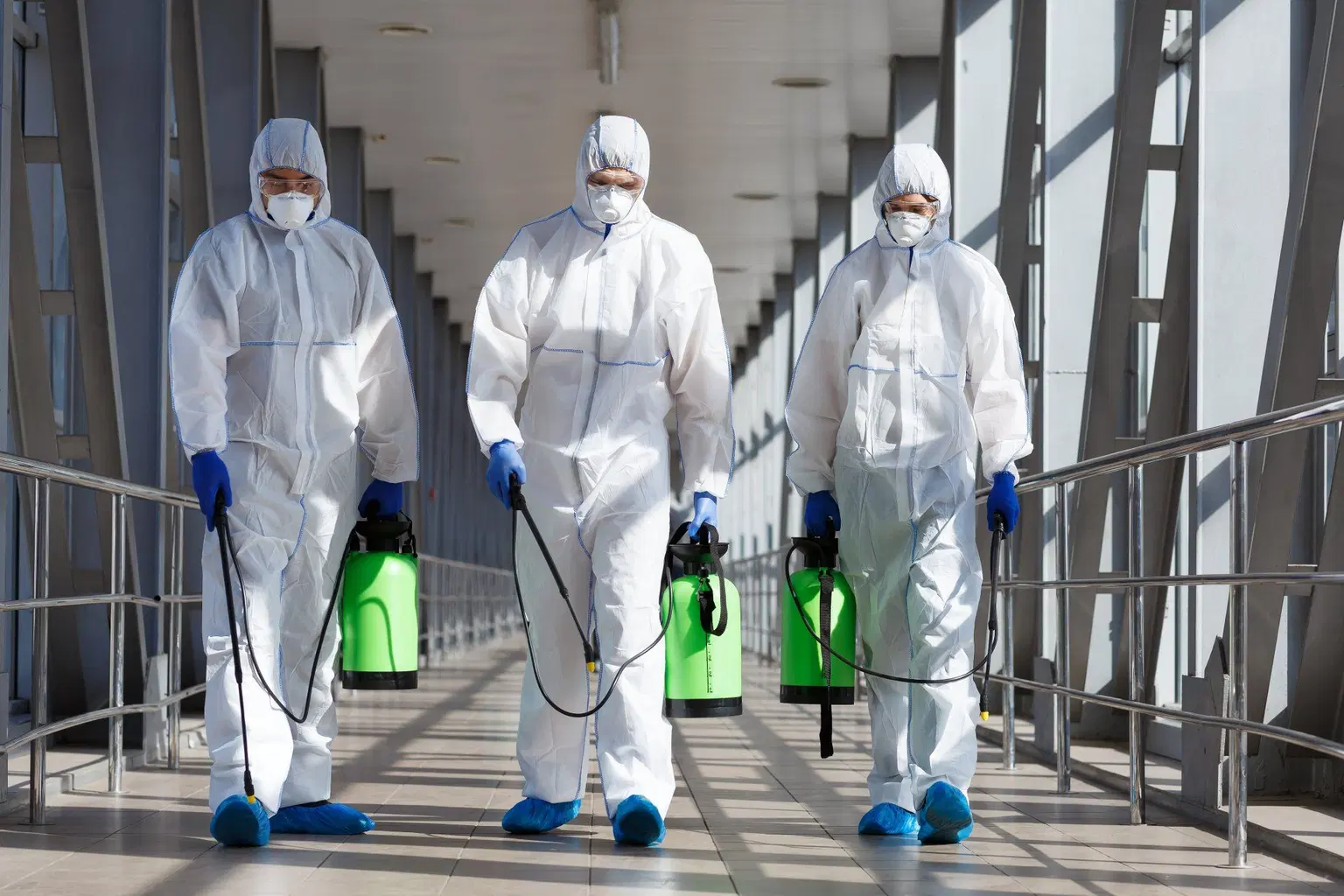
Pre-Renovation Assessment: Before any hammers start swinging, our team will conduct a thorough visual inspection and collect samples for testing based on the age of your building and the scope of your renovation.
-
Analysis and Reporting: The collected samples are sent to an accredited laboratory. We then provide you with a clear, easy-to-understand report of the findings and recommend a course of action if any hazardous materials are identified.
-
Safe Abatement (If Required): If asbestos or significant mold is found, a specialized and licensed abatement contractor will be brought in to safely remove the materials according to provincial regulations.
-
Post-Abatement Verification: After abatement is complete, a final air test is essential. This is known as Clearance Air Testing, and it verifies that the area has been properly cleaned and is safe for renovation work to resume. This step is crucial for everyone's safety and is often required by condo boards.
Build a Healthier Home from the Start
A successful condo renovation is about more than just beautiful design; it's about creating a space that is safe, healthy, and built to last. Environmental testing isn't an extra or an obstacle—it's a cornerstone of responsible and high-quality construction. By addressing potential hazards proactively, you ensure a smoother process and a final result that you and your family can enjoy with complete confidence.
If you're planning a condo renovation in the Toronto area and want to ensure it's done right, contact The Healthy Abode today. We can help you integrate essential environmental testing into your project, providing peace of mind from the ground up. Let's build a healthier home together.