
Beyond the Drywall: A Guide to Environmental Safety for Basement Apartment Conversions
Creating a basement apartment or secondary suite is one of the smartest investments a homeowner in Toronto can make. Whether for rental income or multi-generational living, these renos add significant value and functionality to a property. You’ve planned the layout, picked the finishes, and hired a contractor. But before you install the first pot light, there’s a critical element that’s often overlooked: the environmental health of the space. A beautiful basement is worthless if the air inside is unsafe to breathe. Ensuring excellent indoor air quality isn't just about comfort; it's about protecting your investment, ensuring compliance, and safeguarding the health of your future tenants. This guide will walk you through the essential environmental tests that should be a non-negotiable part of any basement conversion project.
Why Basements Are a Unique Environment
Unlike the upper floors of your home, basements are surrounded by soil, making them inherently susceptible to moisture, humidity, and ground gases. This unique subterranean environment creates specific challenges that can lead to poor indoor air quality if not properly addressed during a renovation. Without proper ventilation and moisture control, a newly finished basement can trap pollutants, creating an unhealthy living space.
Here are the primary culprits to be aware of:
- Mold and Mildew: Basements are prone to dampness from foundation leaks, condensation, or high humidity. This moisture is the perfect breeding ground for mold, which can grow undetected behind new drywall and under flooring. Mold spores can cause a range of health issues, from allergies and asthma attacks to more serious respiratory problems.
- Volatile Organic Compounds (VOCs): That “new reno smell” is often caused by VOCs. These are chemicals released from new building materials, including paints, adhesives, flooring, cabinetry, and sealants. In a confined, poorly ventilated basement, VOCs can accumulate to levels that cause headaches, dizziness, and long-term health effects.
- Radon: Radon is a colorless, odorless radioactive gas that is released from the natural decay of uranium in soil and rock. It can seep into a home through cracks in the foundation. As a leading cause of lung cancer among non-smokers, it’s a serious hazard, and basements are the primary entry point.
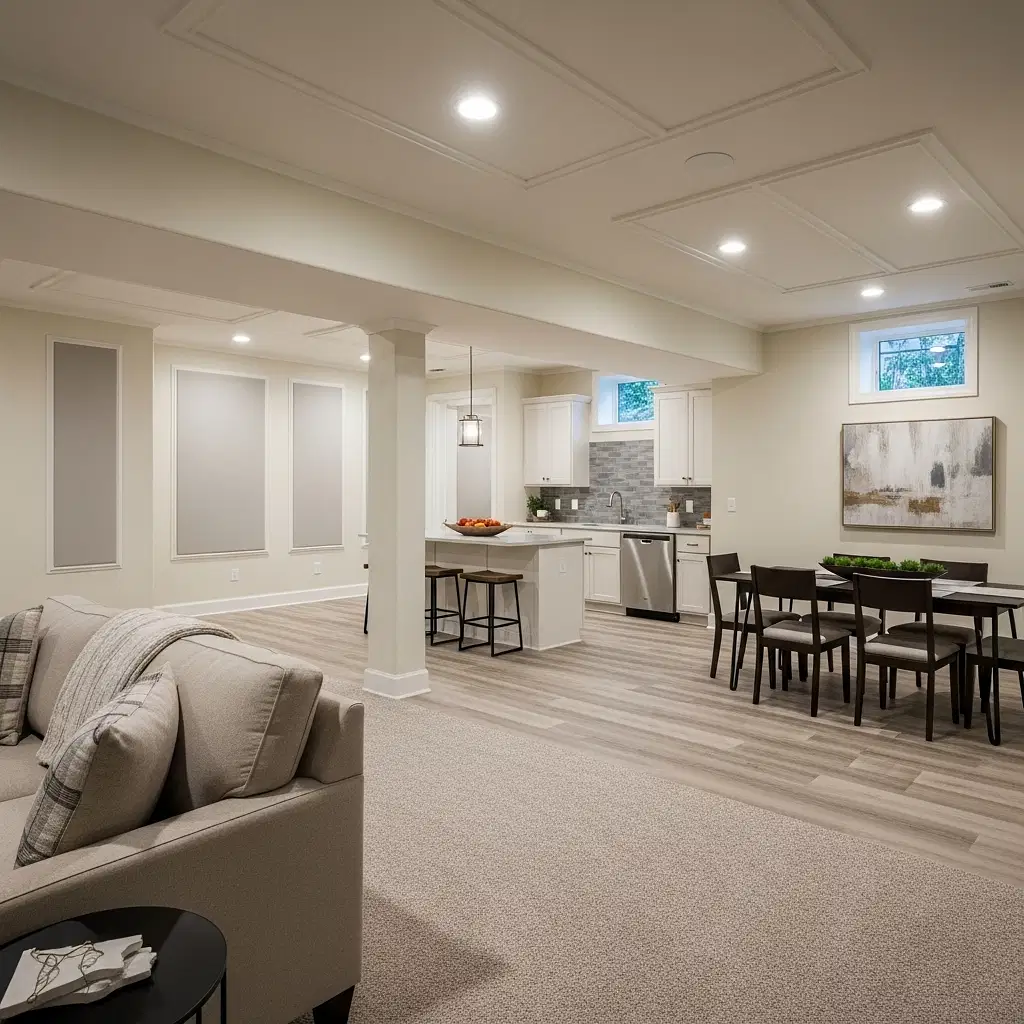
Building a Healthy Space: Essential Pre- and Post-Construction Testing
To create a truly safe and legal secondary suite, a proactive approach to environmental health is key. Professional testing provides the data you need to make informed decisions, ensuring peace of mind and demonstrating due diligence as a landlord. It’s a critical step in adhering to building codes and protecting yourself from potential liability.
Here are the essential tests to consider for your project:
-
Comprehensive Mold Testing: Before you even start demolition, it's wise to test for existing mold. A professional mold air test can detect hidden mold colonies that aren't visible to the naked eye. Identifying and properly remediating mold before you build ensures you aren’t just covering up a problem that will resurface later.
-
VOC and Indoor Air Quality Reports: As your renovation nears completion, it's time to check the air your tenants will actually be breathing. A VOC test measures the concentration of harmful chemicals off-gassing from new materials. This is crucial for confirming that the ventilation system is adequate and the space is safe for occupancy. A general indoor air quality report can provide a holistic overview, checking for other pollutants like carbon monoxide, carbon dioxide, and humidity levels.
-
Post-Remediation Clearance Testing: If any contaminants like mold or asbestos were found and removed, a final check is mandatory. Clearance air testing is the final step that verifies the remediation was successful and the air is free from harmful airborne particles. This is your official proof that the space is clean and safe, providing a clean bill of health before handing over the keys.
Protecting Your Investment and Your Tenants
Converting your basement into a legal apartment is a complex project that requires careful management of permits, contractors, and budgets. Adding environmental testing to your checklist might seem like one more task, but it's one of the most important. It transforms a construction project into a healthy home.
By investing in professional air quality testing, you are not just complying with best practices; you are:
- Ensuring Tenant Health and Safety: Providing a living space free of mold, harmful chemicals, and radon is a fundamental responsibility.
- Protecting Yourself from Liability: Having documented proof of a safe environment can protect you from future disputes or legal challenges.
- Increasing Property Value: A certified healthy and safe secondary suite is a major selling point for both renters and future buyers.
- Achieving Peace of Mind: Knowing you’ve done everything possible to create a high-quality, healthy home for someone is invaluable.
Don't let hidden environmental hazards undermine your hard work and investment. A beautiful, well-built basement apartment deserves to be a healthy one, too.
Start Your Basement Conversion on a Healthy Foundation
A successful basement apartment conversion in Toronto is about more than just aesthetics and functionality—it's about creating a safe, healthy, and compliant living space from the ground up. By prioritizing environmental safety, you ensure the long-term success of your investment and the well-being of your tenants.
If you're planning a basement renovation, make professional environmental testing your first step. Contact The Healthy Abode today to schedule a consultation for our mold air testing, VOC testing, or a complete indoor air quality assessment. Let's work together to ensure your new space is as healthy as it is beautiful.