
A Foundation of Safety: Why Environmental Testing is Crucial for Church and Institutional Renovations
Toronto’s landscape is rich with beautiful institutional buildings—churches, community centres, and heritage sites that serve as the heart of our neighbourhoods. Many of these structures, with their stunning Victorian architecture and timeless character, are decades or even a century old. When the time comes for a much-needed renovation or reno, it’s about more than just updating aesthetics; it’s about preserving a legacy. However, beneath the surface of plaster and paint, these older buildings can hide environmental hazards that pose significant risks to the health of occupants, the project timeline, and your budget. Before the first wall comes down, a proactive approach to environmental safety is the most critical step you can take. Understanding what lies within your walls is the key to a smooth, compliant, and successful project that protects your community for years to come.
Beyond the Blueprint: The Legal and Financial Risks of Hidden Hazards
Embarking on a renovation in an institutional building isn't just a matter of design and construction; it's a matter of due diligence. The Ontario Building Code and Ministry of Labour have strict regulations concerning hazardous materials. Failing to identify and properly manage substances like asbestos, lead, or mold before a project begins can lead to serious consequences. Imagine the project being shut down unexpectedly, leading to costly delays and potential fines. Or worse, exposing construction crews and future occupants to harmful materials, creating long-term health issues and legal liability for your organization.
This is a common pain point for property managers and boards who are trying to balance tight budgets with the need for upgrades. The fear of discovering a costly problem can be paralyzing. However, ignoring the possibility is far more expensive in the long run. Proactive environmental testing provides the transparency and data needed for accurate budgeting and scheduling. It transforms an unknown risk into a manageable line item, ensuring your project proceeds with confidence and full compliance.
What to Look For: Essential Environmental Assessments
To ensure a safe renovation, a few key assessments are essential. These investigations identify potential dangers, allowing for a clear and safe path forward.
Designated Substance Surveys (DSS)
A Designated Substance Survey is a comprehensive and legally required assessment before any significant renovation or demolition project. Our certified professionals inspect the building for a specific list of hazardous materials mandated by Ontario regulations. These include:
- Asbestos: Commonly found in insulation, flooring, plaster, and ceiling tiles.
- Lead: Often present in old paint, plumbing, and window frames.
- Mercury: Can be found in old thermostats and fluorescent lighting.
- Silica: A component of concrete, brick, and masonry.
A DSS provides a detailed report of what's present and where, forming the basis for a safe abatement and construction plan.
Asbestos Bulk Testing
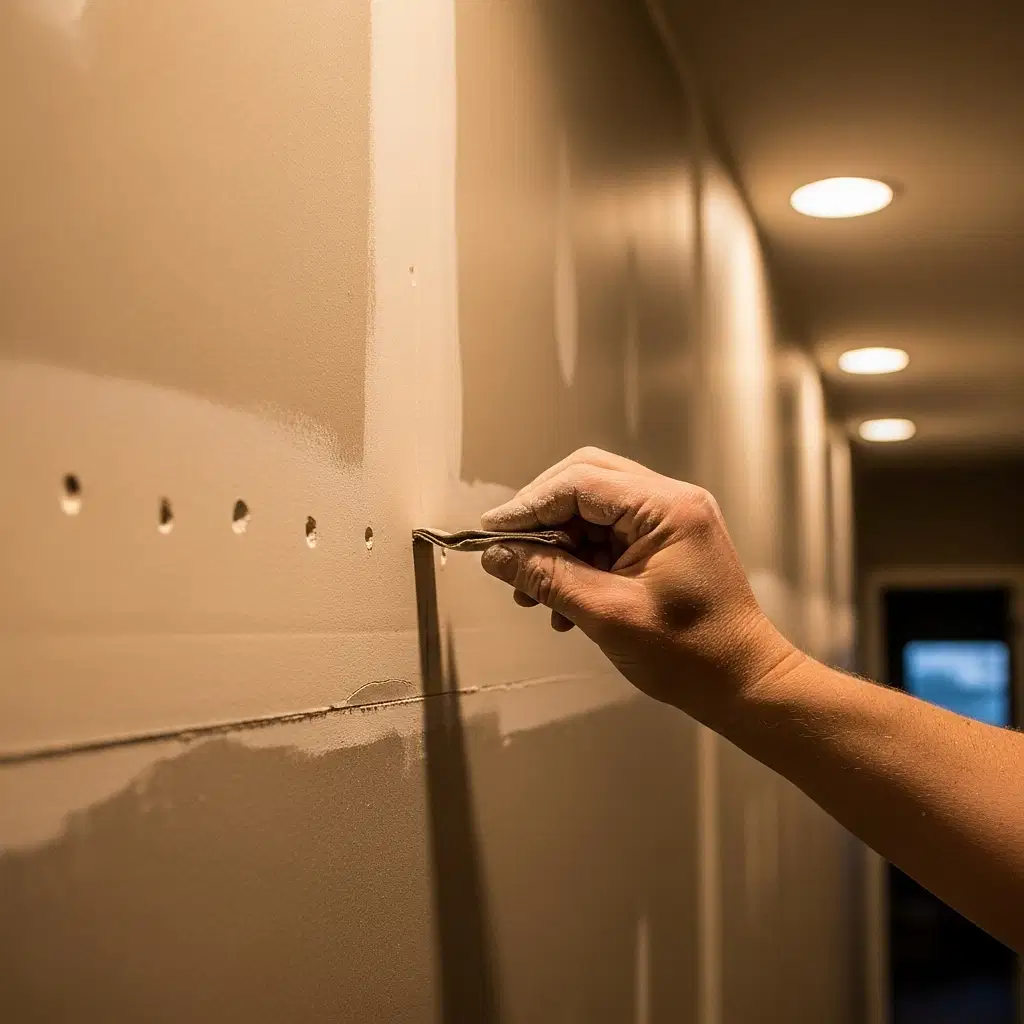
Given its prevalence in buildings constructed before the 1990s, asbestos requires special attention. It becomes a serious health hazard when its fibres are disturbed and become airborne during renovation. Our asbestos bulk testing service involves carefully taking samples from suspected materials and having them analyzed by an accredited laboratory. This definitive test confirms the presence and type of asbestos, which is critical for planning its safe removal.
Mold Inspections
Older buildings are prone to moisture issues from leaky roofs, plumbing, or foundation problems, creating the perfect environment for mold growth. A professional mold inspection goes beyond a simple visual check. We investigate hidden areas like wall cavities and basements to identify mold contamination that could release spores and mycotoxins when disturbed, impacting respiratory health.
General Indoor Air Quality Reports
Beyond specific substances, the overall health of the indoor environment matters. A general indoor air quality report can assess for other potential issues like volatile organic compounds (VOCs) from old finishes, excessive dust, or poor ventilation. This provides a holistic view of the building's health, ensuring the renovated space is not just beautiful but truly safe for everyone who uses it.
Integrating Safety into Your Project Management
At The Healthy Abode, we believe that environmental safety isn't an obstacle—it's an integral part of excellent project management. By conducting these crucial assessments at the very beginning of the planning phase, we help you avoid the operational headaches that can derail a project.
This proactive approach delivers several key benefits:
- Predictable Timelines: By identifying and addressing hazards upfront, we prevent unexpected work stoppages ordered by regulatory bodies.
- Accurate Budgets: The cost of any necessary abatement is factored into the initial budget, eliminating surprise expenses that can strain your organization's finances.
- Enhanced Safety: A clear plan ensures that workers are protected, and the final, renovated space is healthy and safe for your community members.
- Complete Peace of Mind: Knowing you've met all legal requirements and acted with due diligence allows your organization to focus on the positive impact of the renovation.
Our process is built on clear communication and transparency, providing you with detailed reports and a clear roadmap for moving forward safely and efficiently.
Build a Safer Future for Your Community Hub
Renovating an institutional building is an investment in your community's future. Ensuring that investment is built on a foundation of safety is paramount. By prioritizing professional environmental assessments, you protect the health of your occupants, the integrity of your project, and the legacy of your building.
If you are planning a renovation for a church, community centre, or other institutional facility in the Toronto area, let's start the conversation on the right foot. Contact The Healthy Abode today to discuss how our expert Designated Substance Surveys, asbestos testing, and mold inspections can ensure your project is a success from the ground up.